If you picture Boston as brick rowhouses and centuries-old streets, Seaport can feel like a surprise. This waterfront district has a very different rhythm, with newer buildings, wide sidewalks, public waterfront access, and a day-to-day lifestyle shaped by work, culture, and the harbor itself. If you are wondering what it is actually like to live here, this guide will walk you through the feel of the neighborhood, the housing, the commute, and the kinds of routines Seaport tends to support. Let’s dive in.
Seaport has a distinctly modern feel
The Seaport District, often referred to in city planning as the South Boston Waterfront, is one of Boston’s newest and most visibly transformed neighborhoods. City planning sources describe an area that has evolved from former industrial land and warehouses into a mixed-use district with residential, commercial, civic, and retail spaces.
That recent growth is a big part of why Seaport feels different from many other Boston neighborhoods. According to the Boston Planning & Development Agency, the South Boston Waterfront population grew 195% from 2010 to 2020, while housing units grew 327% during the same period. In everyday terms, that means you are living in a neighborhood that still feels actively shaped by new development rather than fully settled.
Because much of the area was built through phased development on filled land, the streetscape tends to feel more planned, vertical, and contemporary than older parts of the city. If you love sleek condo buildings, wider public spaces, and a more polished urban aesthetic, that is part of Seaport’s appeal.
Waterfront living shapes daily routines
Life in Seaport is closely tied to the harbor. One of the biggest everyday advantages is direct access to the Harborwalk, a long public shoreline route that connects people to parks, public art, restaurants, museums, water transportation, and harbor views.
That waterfront access changes how the neighborhood feels on an ordinary day. A quick walk can include open water views, public spaces, and a more relaxed pace than you might expect in the middle of Boston. For many residents, that blend of city energy and waterfront breathing room is a major draw.
Seaport also has several well-known public destinations nearby. Planning sources identify major cultural anchors in and around the district, including the Children’s Museum, the Institute of Contemporary Art, the Bank of America Pavilion, and the John Joseph Moakley U.S. Courthouse.
Parks and open space add balance
For a neighborhood with so much development, Seaport also offers meaningful open-space amenities. Martin’s Park at 64 Sleeper Street is a standout, described by the City of Boston as an inclusive, climate-resilient park with a playground, passive-use areas, and water-play features.
That matters because everyday life in a dense neighborhood works best when there are places to slow down. Whether you are meeting friends, spending time outside, or just looking for a change of pace from condo living, these public spaces help make the area feel more livable.
The city’s long-term waterfront planning also focuses on resilient open space and infrastructure. In South Boston’s waterfront areas, that includes measures such as elevated Harborwalk segments, prepared buildings and infrastructure, and protective waterfront planning. For buyers considering the area long term, resilience planning is part of the neighborhood story.
Events keep the neighborhood active
Seaport has a built-in event energy that sets it apart from quieter residential pockets of Boston. BPDA notes that the Boston Convention and Exhibition Center and the World Trade Center host large events, while piers and public spaces have supported festivals, touring productions, and seasonal pop-up restaurants and shops.
In practical terms, that means the neighborhood can feel lively and constantly in motion. Some buyers love that there is often something happening nearby. Others may want to think carefully about whether they prefer a more established and lower-key residential environment.
This is one of the reasons Seaport often appeals to people who want an urban lifestyle first and a traditional neighborhood feel second. The energy here comes from a mix of residents, visitors, offices, events, and waterfront destinations.
Housing is mostly condos and newer buildings
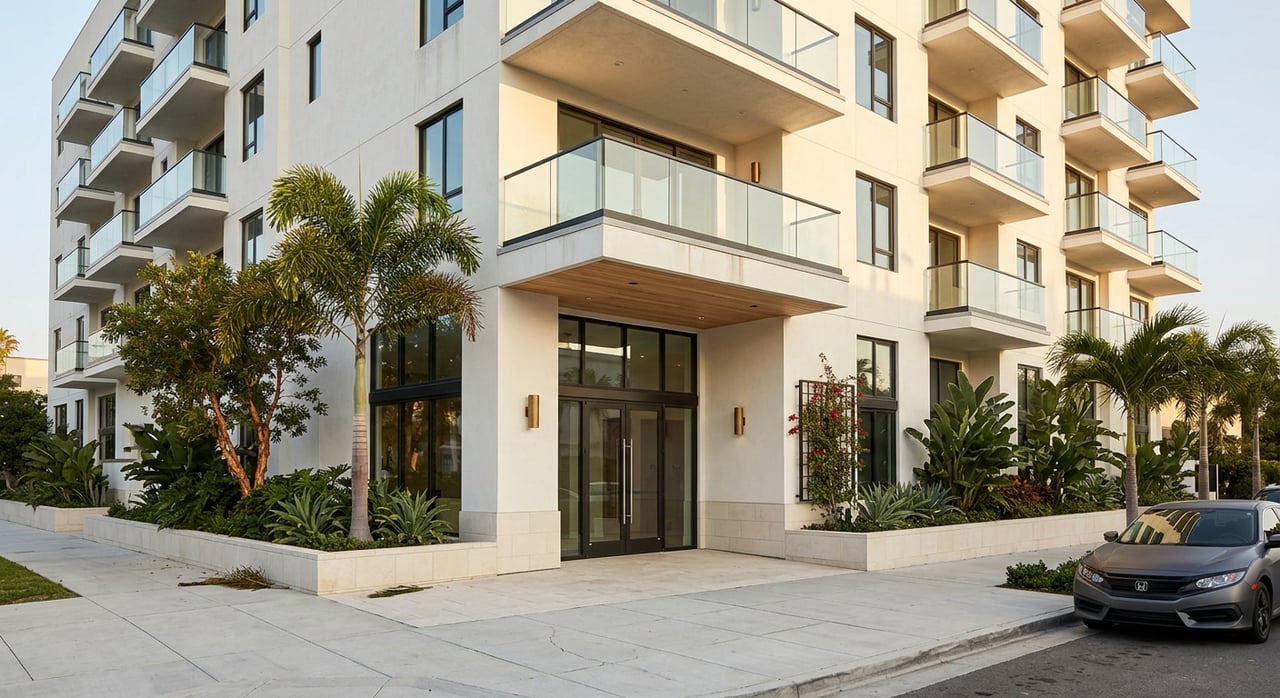
If you are home shopping in Seaport, the housing mix is important to understand. This is primarily a neighborhood of newer apartment buildings, condominiums, and some micro-unit options, with loft-style living still present in parts of Fort Point.
You will not find the same concentration of small historic houses or classic rowhouse blocks that define other parts of Boston. Instead, Seaport is largely a high-density, amenity-oriented market built around modern residential buildings and mixed-use development.
New construction is still helping shape the neighborhood. One recent city application for Seaport Square Block L-6 describes a 24-story mixed-use building with residential, office or research, retail, and civic uses, along with underground parking, EV charging, bicycle storage, and public-realm improvements.
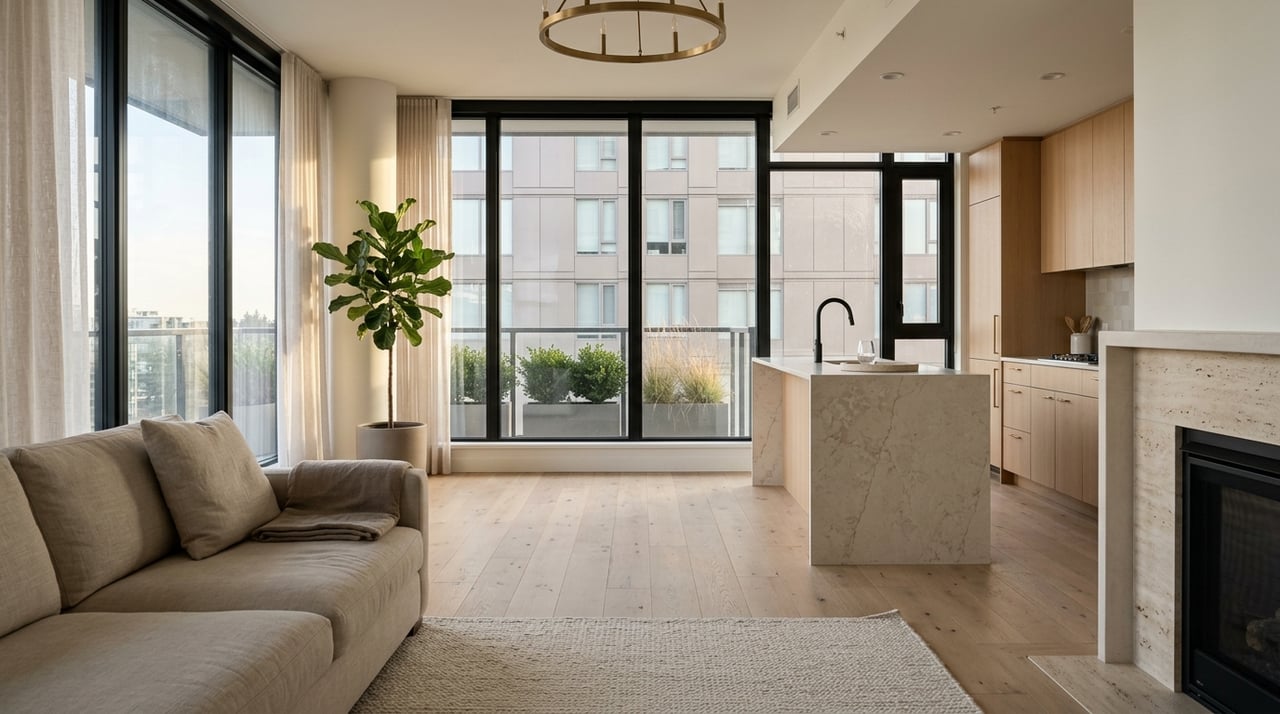
For buyers, that often translates to homes with a more contemporary layout, newer systems, elevators, shared amenities, and in some cases views that are hard to find elsewhere in Boston. For renters, it can also mean access to newer inventory in a district designed around convenience and lifestyle features.
Amenities are a big part of the appeal
In Seaport, the building itself is often part of the lifestyle. Amenity packages are a defining feature of the local housing stock, with examples in the neighborhood including concierge service, roof decks, fitness and wellness spaces, resident lounges, underground parking, and dog-friendly outdoor areas.
That does not mean every building offers the same experience, but it does reflect a broader pattern. Seaport attracts buyers and renters who often want more than just square footage. They may also be looking for ease, services, shared spaces, and a polished residential environment.
From a real estate perspective, this is where neighborhood fit matters. If you value design, convenience, and a building that supports your day-to-day routine, Seaport can offer a compelling option within Boston’s condo market.
Seaport sits at the premium end of Boston
Seaport is one of Boston’s higher-priced housing submarkets. Redfin reported a March 2026 median sale price of $2,977,500 in the Seaport District, compared with $860,000 for Boston overall. Homes in Seaport also averaged 93 days on market versus 33 days citywide.
Those numbers help frame the neighborhood clearly. Seaport is not just a modern waterfront district. It is also a premium condo market where buyers often pay for newer construction, location, views, and amenities.
The longer average time on market is also worth noting. In a higher-end segment, buyers may be more selective, and homes can require more deliberate decision-making. That makes strong market guidance especially important if you are buying or selling in this part of the city.
Getting around is part of the lifestyle
Transit and access are central to everyday life in Seaport. BPDA says the district has strong access to I-90, the Silver Line, and several MBTA bus routes, and notes that Logan Airport and South Station are each one Silver Line stop away in opposite directions.
For many residents, that level of connectivity is a major advantage. If your routine involves downtown meetings, airport travel, or regional rail connections, Seaport can make those trips relatively straightforward.
The City of Boston is also working on transportation improvements between North Station, South Station, and the Seaport to improve speed and reliability for transit users, cyclists, pedestrians, and traffic. That ongoing investment reflects how important mobility is to the neighborhood’s future.
There is also a commuter ferry stop at Pier 10 in the Raymond L. Flynn Marine Park. The City says the service connects the South Boston Waterfront to Fan Pier and North Station and runs Monday through Friday year-round during morning and evening commute hours.
Walking here is easier than many expect
Seaport is often discussed as a car-accessible district because of its highway connections, but the neighborhood is also being shaped around walking and cycling. The City has installed pedestrian wayfinding signage across the South Boston Waterfront, and the South Bay Harbor Trail is intended to connect the South End and South Boston waterfront through safe walking and cycling routes that tie into the Harborwalk.
For daily life, that matters more than you might think. The easier it is to move between your building, the waterfront, cultural destinations, and transit, the more natural the neighborhood feels without needing to drive everywhere.
If your ideal Boston routine includes walking to coffee, taking an evening harbor stroll, or connecting to nearby districts on foot, Seaport supports that more than some people assume.
How Seaport compares with older Boston neighborhoods
The easiest way to understand Seaport is to compare it with Boston’s more established neighborhoods. City planning documents frame it as a planned, waterfront, mixed-use district designed around public access, civic uses, urban design, and new places to live.
That is very different from neighborhoods known for historic rowhouses, smaller-scale residential blocks, and a more settled street pattern. In Seaport, the character comes from towers, mixed-use buildings, public-realm design, skyline views, and a strong connection to the harbor.
Neither format is better or worse. It is really about lifestyle fit. If you want historic charm and a long-established neighborhood texture, other areas may feel more intuitive. If you prefer newer construction, a contemporary look, and a waterfront setting with built-in convenience, Seaport may feel like the right match.
Who tends to feel at home in Seaport
Based on the neighborhood’s planning, housing, and cultural profile, Seaport often resonates with buyers and renters who want a contemporary urban environment. That can include professionals relocating to Boston, buyers looking for a luxury-leaning condo, or anyone who values newer buildings, amenities, and a waterfront setting.
It can also appeal to people who like a neighborhood where work, dining, culture, and home are closely connected. The area’s mix of residential towers, offices, public spaces, and event venues creates a lifestyle that feels active and current.
If you are weighing Seaport against places like Back Bay, Beacon Hill, the North End, or the South End, the key question is less about which neighborhood is best and more about which one matches how you actually want to live.
If you are exploring Boston neighborhoods and want clear, thoughtful guidance on where Seaport fits into your search, Caroline Conlon brings a calm, design-aware perspective to buying, selling, and renting across the city.
FAQs
What is everyday life like in Boston’s Seaport District?
- Everyday life in Seaport centers on waterfront access, newer residential buildings, mixed-use development, cultural destinations, and a steady flow of dining, work, and event activity.
What kind of homes are common in Boston’s Seaport District?
- Seaport is mostly made up of newer condos, apartment buildings, and some loft-style homes in nearby Fort Point, rather than historic single-family homes or classic rowhouses.
Is Boston’s Seaport District good for commuting?
- Seaport offers access to I-90, the Silver Line, MBTA bus service, South Station, Logan Airport, walking routes, cycling connections, and a commuter ferry stop at Pier 10.
Is Boston’s Seaport District still growing?
- Yes. City planning and development sources show that Seaport has seen major population and housing growth and continues to evolve through phased development and public-realm improvements.
Is Boston’s Seaport District expensive?
- Seaport sits at the premium end of the Boston market, with reported median sale prices well above the citywide median, reflecting its newer housing, amenities, and waterfront location.