If you want a Fort Lauderdale neighborhood with an urban feel, newer buildings, and something to do beyond your front door, Flagler Village tends to get your attention quickly. It is one of those places where lifestyle matters just as much as square footage, especially if you value walkability, dining, art, and easy access to downtown. If you are wondering whether it feels exciting, practical, or still a little unfinished, the answer is a mix of all three. Let’s dive in.
Flagler Village at a Glance
Flagler Village sits just outside downtown Fort Lauderdale and falls within the city’s Northwest-Progresso-Flagler CRA. In day-to-day life, that translates into a neighborhood that feels urban, mixed-use, and closely tied to redevelopment, mobility planning, and public street activity.
It does not read like a quiet, traditional residential pocket. Instead, it feels more like a district that blends living, dining, art, and movement, with active neighborhood meetings and continued investment shaping how the area functions over time. According to the city’s NPF CRA Mobility Master Plan, mobility and public access are central parts of the neighborhood’s long-term identity.
Housing in Flagler Village
Newer multifamily living dominates
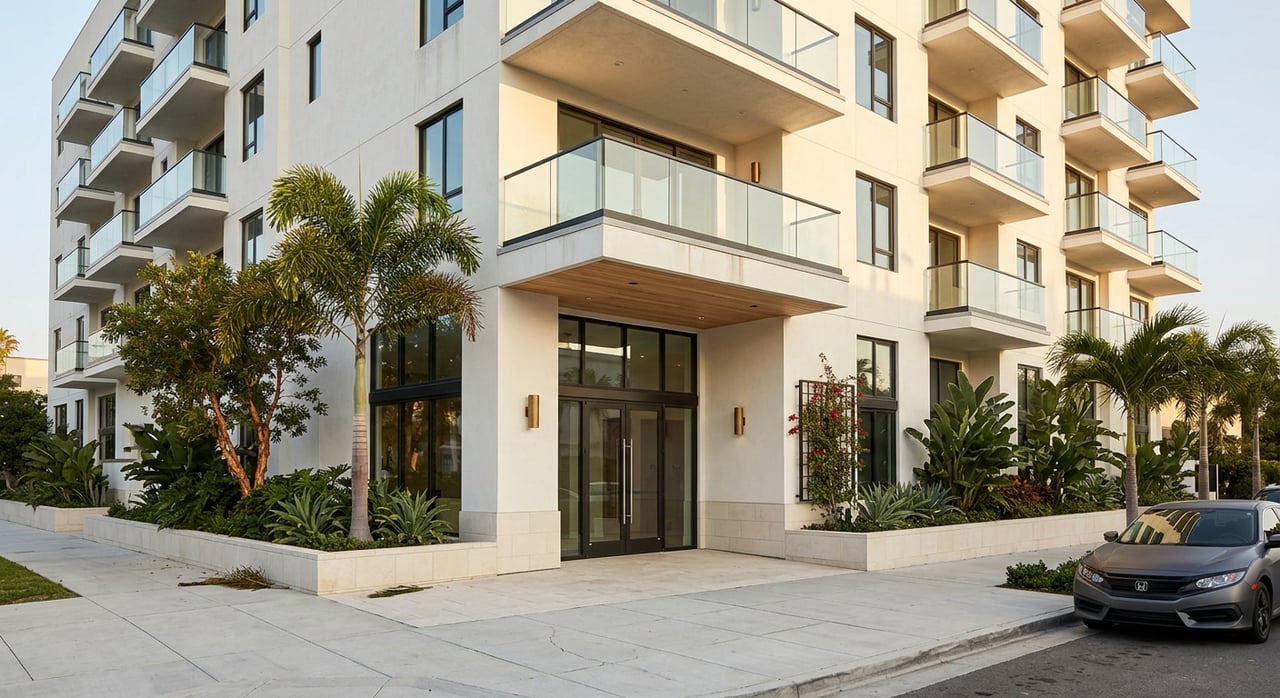
One of the biggest things to know about Flagler Village is that it is largely a multifamily neighborhood. City planning documents show a concentration of built, approved, and in-progress apartment, condo, loft-style, and mixed-use projects, including developments such as URBN @ Flagler Village, Modera 555, River Lofts, and FAT Village East/West.
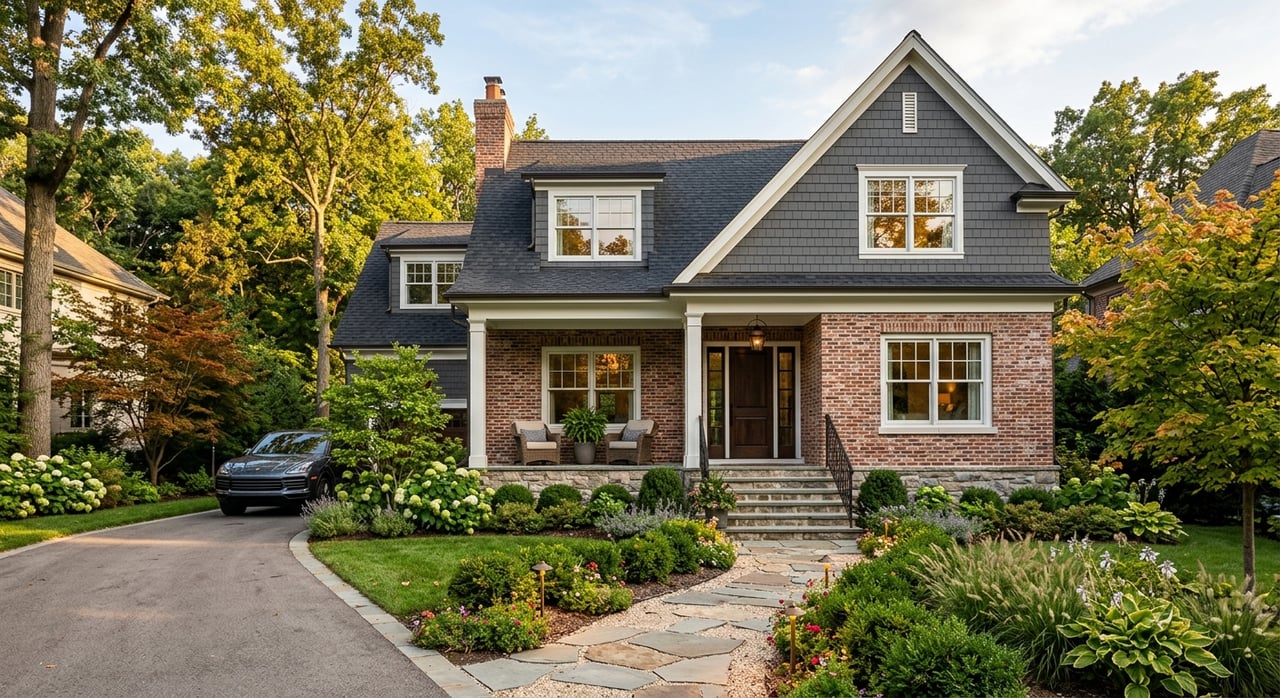
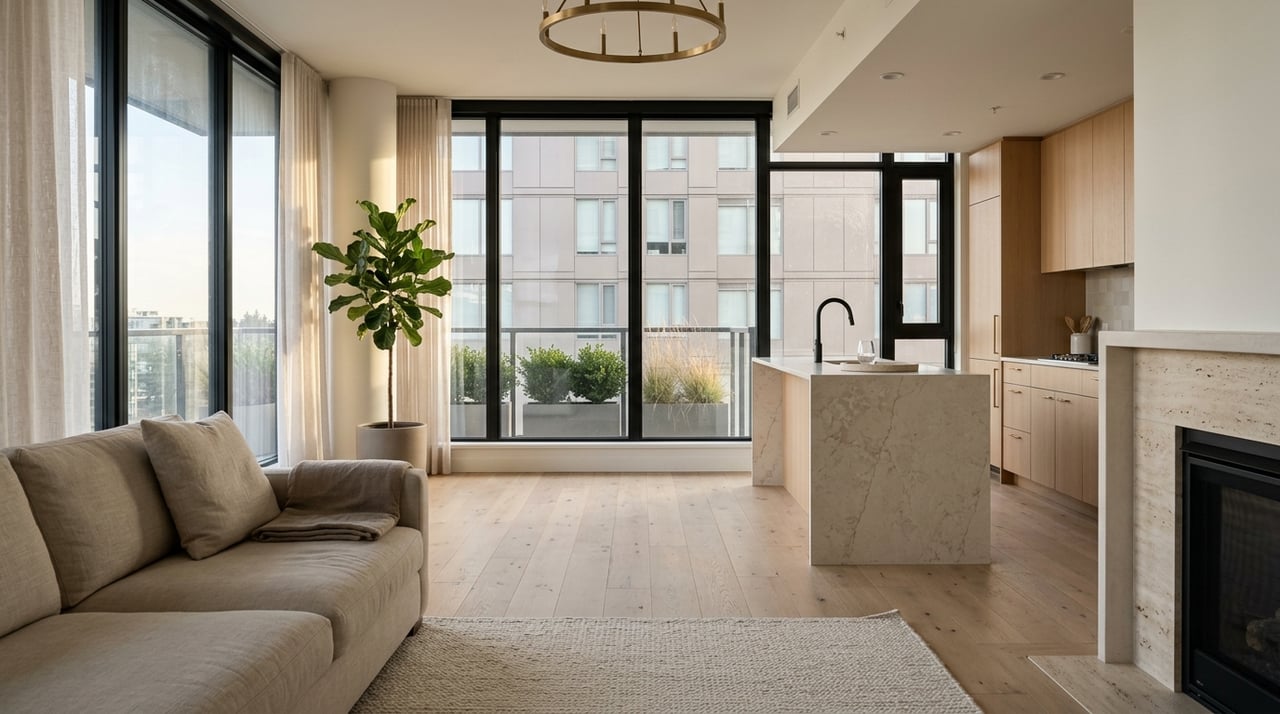
That means if you are picturing detached homes and large private yards, this area may not line up with your goals. If you prefer newer residences, lower-maintenance living, and buildings with a more contemporary feel, Flagler Village may be a much better fit. The city’s development backup materials make clear that the neighborhood’s housing story is still unfolding.
Some blocks still feel like a work in progress
Because redevelopment is ongoing, the neighborhood can feel polished on one block and transitional on the next. That is not unusual in urban districts that are growing quickly, but it is worth understanding before you move.
For some people, that energy feels exciting and full of potential. For others, it can mean construction nearby, changing streetscapes, and a neighborhood identity that is still becoming more defined.
There is also a local, unexpected side
Flagler Village is not only about large-scale development. The city also identifies Flagler Village Farm, an 18,000-square-foot urban agriculture project at NE 3rd Avenue and Sistrunk Boulevard.
That adds a small but meaningful layer of local character. It gives the neighborhood a community-oriented element that balances some of the more modern, higher-density development around it.
Daily Life and Neighborhood Feel
The vibe is creative and social
Flagler Village has a creative identity that stands out in greater Fort Lauderdale. Visit Lauderdale highlights the monthly FATVillage Art Walk, held on the last Saturday night of each month, with art exhibitions, food trucks, live music, and vendor programming.
That kind of recurring event activity shapes what it feels like to live here. Instead of a neighborhood where everything gets quiet after work, Flagler Village often feels active in the evenings and on weekends, especially if you enjoy being able to walk to nearby events and social spots.
Dining is part of the lifestyle
Food is a real part of the draw here. Visit Lauderdale points to Heritage and Jay’s as notable neighborhood dining options, while nearby Sistrunk Marketplace offers a food hall and entertainment format with multiple vendors and event programming.
The area is also gaining more destination-style food experiences. Visit Lauderdale reported that Smorgasburg in Flagler Village is opening at 536 NE 2nd St., bringing a large weekend market with nearly 50 vendors, themed cultural weekends, and a coffee program.
You are living in a neighborhood with a rhythm
This is not a purely residential environment where life happens mostly behind closed doors. Flagler Village has a more public, event-driven rhythm, with dining, art spaces, coffee spots, and neighborhood programming helping shape the atmosphere.
If you like a home base where you can step out for coffee, dinner, or a local event without planning your whole day around a car ride, that rhythm can feel very appealing. If you want a quieter, more tucked-away routine, it may feel busier than what you are after.
Getting Around Flagler Village
Walkability is a real advantage
For many residents, one of the best parts of Flagler Village is that daily life can feel more connected and less car-dependent than in many other South Florida neighborhoods. The concentration of dining, art programming, and community events supports a walkable, urban routine.
That does not mean every errand is effortless on foot, but it does mean the neighborhood is set up in a way that encourages movement between places rather than isolated, drive-only living.
Transit connections add flexibility
The city’s LauderGO! Community Shuttle includes a Downtown Link that serves Flagler Village along with BCT Central Terminal and downtown civic destinations. The LauderGO! Micro Mover also connects the neighborhood to downtown, Las Olas, the beach, and parking facilities.
That gives you options if you want to leave the car parked more often. City transportation information also notes that Brightline serves downtown Fort Lauderdale, and the city’s broader mobility planning links FAT Village and the Brightline station as part of the local circulation picture.
Parking and Other Tradeoffs
Parking is managed, not casual
One of the clearest signs that Flagler Village functions more like an urban core is how parking is handled. The city created the Flagler Village Residential Parking Permit Program because parking had become limited.
So if you are used to unlimited street parking, this may require an adjustment. Residents can buy an annual permit, and the neighborhood uses resident and public rate structures rather than a more suburban free-parking model.
Convenience comes with density
Flagler Village offers convenience, newer buildings, and access to amenities, but those benefits come with tradeoffs. Density can mean more traffic management, more regulated parking, and occasional construction-related noise or disruption.
For many buyers and renters, that is a fair exchange for being close to downtown and having a more active neighborhood environment. Still, it is best to walk the area at different times of day so you can get a feel for what that tradeoff looks like block by block.
Who Flagler Village Fits Best
Best for an urban routine
Based on the current housing mix, transportation setup, and neighborhood calendar, Flagler Village often appeals to people who want a lower-maintenance urban lifestyle. That can include renters, condo buyers, couples, and professionals who prioritize convenience, newer housing options, and nearby dining or creative spaces.
The appeal is less about a traditional residential setting and more about how your day-to-day life can flow. If you want a place where your home connects easily to the city around you, that is part of what makes Flagler Village stand out.
Less ideal for a quieter, house-focused lifestyle
If your priority list includes detached homes, larger yards, or a slower neighborhood pace, Flagler Village may feel misaligned. The area’s identity is tied closely to multifamily development, mixed-use buildings, mobility planning, and public activity.
That does not make it better or worse than other neighborhoods. It simply means the right fit depends on the lifestyle you want your home to support.
What to Know Before You Move
Before choosing Flagler Village, it helps to think beyond the listing photos. Ask yourself how important walkability is, how comfortable you are with active development nearby, and whether you want a neighborhood that feels social and connected rather than quiet and tucked away.
It is also smart to look closely at parking, building amenities, and the immediate block around any property you are considering. In a neighborhood that is evolving this quickly, the micro-location can have a big impact on your day-to-day experience.
If you are weighing different neighborhoods and want help thinking through lifestyle fit, commuting patterns, or the kind of home that best supports your next move, Caroline Conlon brings a calm, design-aware, service-first approach to the process.
FAQs
Is Flagler Village in Fort Lauderdale walkable?
- Yes. Flagler Village supports a walkable urban lifestyle with dining, art events, recurring neighborhood programming, and connections through LauderGO! services.
What kind of homes are in Flagler Village?
- The neighborhood is mostly made up of newer apartments, condos, loft-style units, and mixed-use buildings rather than detached single-family homes.
Is parking easy in Flagler Village?
- Parking can be more limited than in a suburban neighborhood. The city manages it through a residential permit program because supply is constrained.
Is Flagler Village still developing?
- Yes. City planning materials show multiple built, approved, and under-construction multifamily and mixed-use projects in the neighborhood.
What is the lifestyle like in Flagler Village?
- The lifestyle is urban, social, and event-driven, with a strong mix of dining, art programming, mobility options, and newer residential development.