If you are thinking about trading Boston city living for more space in Newton, you are not alone, and the move is usually bigger than a simple change of address. For many buyers, this decision is about daily routine, home type, budget, and which village setting feels right. This guide walks you through the practical differences so you can move forward with more clarity and less guesswork. Let’s dive in.
Why Boston to Newton is a different move
Moving from Boston to Newton often means changing both your lifestyle and your housing type. Newton is about seven miles west of downtown Boston, but the real difference is not just distance. It is the shift from a denser city pattern to a city made up of 13 village centers, each with its own feel and function.
That village structure matters when you begin your search. In Boston, buyers often focus on one neighborhood at a time. In Newton, the better question is usually which village best supports your routine, commute, and space needs.
Budget is another major part of the equation. Redfin shows Newton’s median sale price at $1.45M, compared with Boston’s $860K, and Newton homes receive about 3 offers on average and sell in around 24 days. Boston homes receive about 2 offers and sell in around 33 days, which suggests a move to Newton is often an upsizing move, not a cost-saving one.
Understand Newton’s price ladder
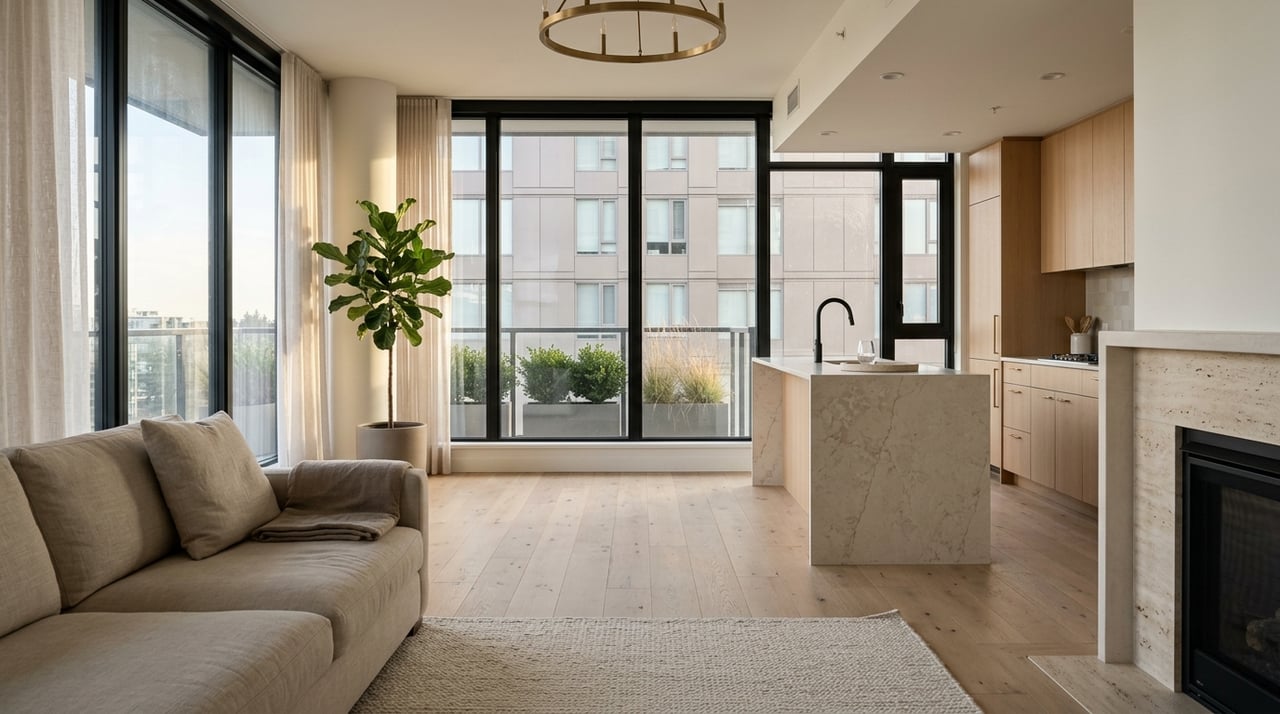
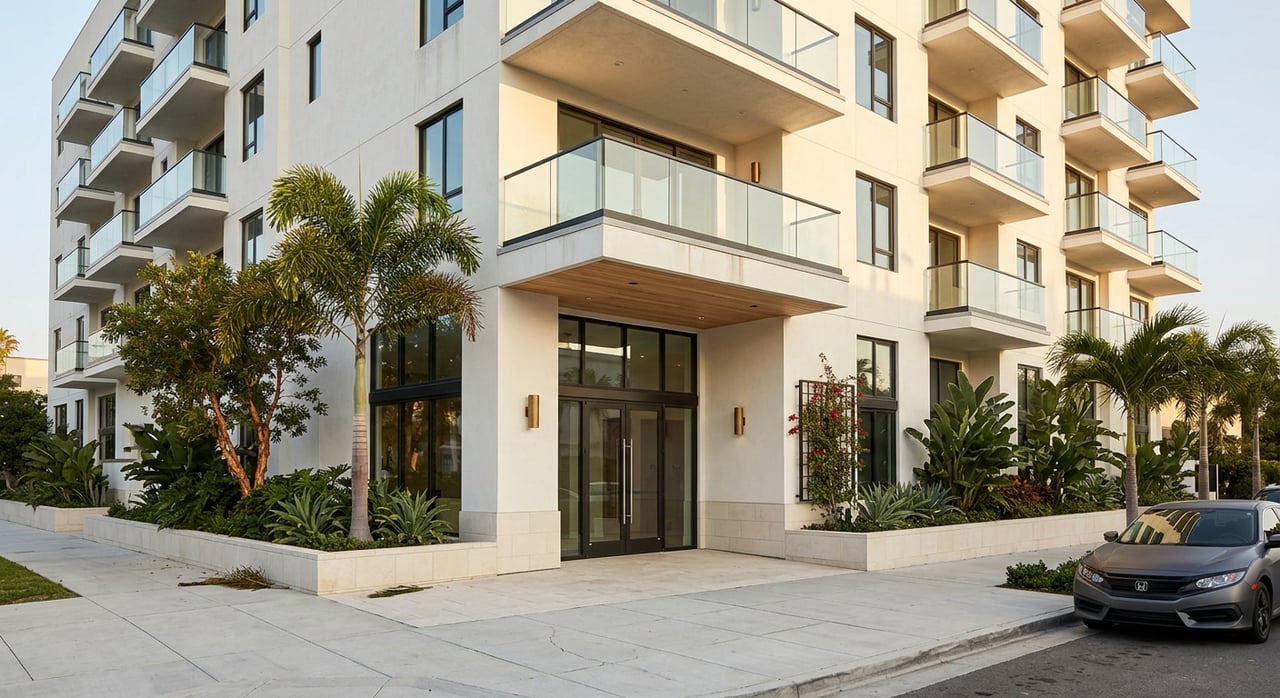
One of the biggest surprises for Boston buyers is that condo pricing is not always dramatically different. Current Redfin data shows Boston condos listing at a median of $847K and Newton condos at a median of $849K. If you are moving from one condo to another, the price gap may be smaller than expected.
The bigger jump usually happens when you want more space. Newton townhouses currently list at a median of $1.75M, and the citywide home median sale price is $1.45M. That means the real budget change often comes from moving into a townhouse or detached home rather than from moving into Newton itself.
Here is a simple way to think about the current ladder:
- Boston condo median list: $847K
- Newton condo median list: $849K
- Newton townhouse median list: $1.75M
- Newton median home sale price: $1.45M
For many Boston condo owners, that is the key planning point. If your goal is more bedrooms, outdoor space, or a larger footprint, your search should start with a realistic housing-type budget before you narrow down villages.
Compare Newton villages by lifestyle
Newton is not one uniform market. The city classifies its commercial areas by scale, including village centers, neighborhood centers, convenience centers, and one gateway center. That can help you compare locations in a more practical way.
Newton Centre for village-center living
Newton Centre is often the clearest fit if you want a walkable, transit-oriented setting with a true village-center feel. The city describes it as a compact area with retail, office, and residential uses, and it is served by the MBTA Green Line D. Redfin shows a recent median sale price of $2.4M in Newton Centre.
If you are coming from a Boston neighborhood where walkability shapes your day, Newton Centre may feel familiar in the best way. You still need to be prepared for a much higher price point, especially if you want a larger home near the center.
Newton Highlands for Green Line access
Newton Highlands can appeal to buyers who want Green Line D access with a lower price point than Newton Centre. Redfin shows a recent median sale price of $1.36M there. It is often part of the conversation for buyers who want village identity and transit access without stretching to Newton Centre pricing.
West Newton and Newtonville for commuter rail
If your routine depends on train access into Boston, West Newton and Newtonville deserve close attention. The city notes that both have commuter rail service, and both developed around rail-based growth. These villages can be especially relevant if you want a residential setting with a traditional village structure and direct commuter rail options.
Nonantum for village identity at a lower price
Nonantum is another village center that can be useful to compare. Redfin shows a recent median sale price around $1.2M, which may make it appealing for buyers looking for Newton village character at a lower entry point than Newton Centre.
Newton Corner as a transportation hub
Newton Corner is different from the classic village-center model. It leans more commercial and transportation-oriented, and Redfin shows a recent median sale price around $1.0M. For some buyers, that tradeoff works well. For others, a more residential village atmosphere will feel like a better match.
Think beyond square footage
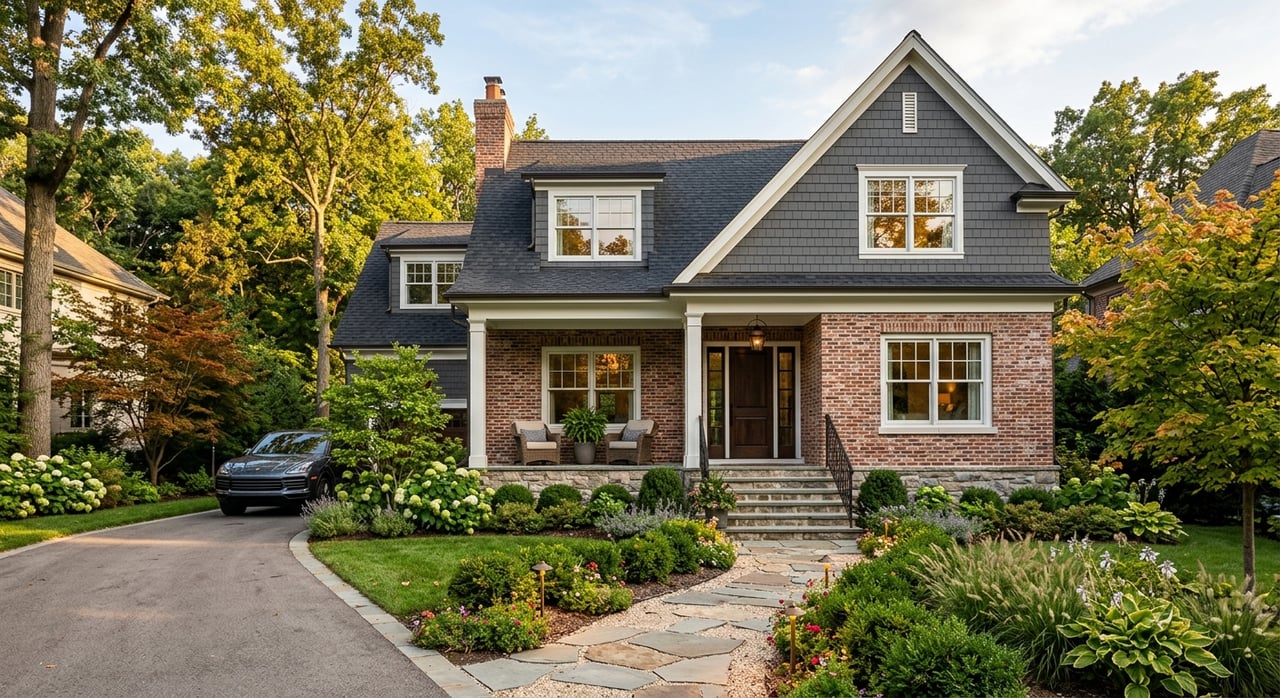
Newton’s housing stock is one of its biggest draws, especially if you care about character and design. City sources point to a wide range of architectural styles, including Greek Revival, Italianate, Second Empire, Queen Anne, Shingle, Colonial Revival, Georgian, Tudor Revival, and Craftsman homes.
In practical terms, you will often see 19th- and early-20th-century homes with porches, gables, dormers, original trim, and larger lots. That variety can make the search more interesting, but it also means two homes with similar square footage may feel very different in layout, condition, and upkeep needs.
This is where a design-aware approach can really help. In Newton, age, lot size, and preservation level often matter just as much as the headline square footage. A home’s layout, light, and architectural details may strongly influence both value and day-to-day enjoyment.
Plan your commute by transit mode
When you move from Boston to Newton, your commute may not get dramatically longer in miles, but it can change a lot in how it works. Newton is about seven miles west of downtown Boston, and different villages connect in different ways.
The city lists Green Line D stops at Riverside, Woodland, Waban, Eliot, Newton Highlands, Newton Centre, and Chestnut Hill. It also lists commuter rail stops at Auburndale, West Newton, and Newtonville, plus bus routes connecting Newton Corner and other areas to Boston and nearby job centers.
That means your village search should reflect how you actually like to travel. If you want rail service close to your routine, focus on villages where that access is built into daily life. If you drive more often, you may weigh village identity and housing options differently.
Prepare for a competitive search
Newton’s market pace can feel different from Boston’s. With homes selling faster on average and receiving more offers, preparation matters. If you are planning to buy after selling a Boston condo or home, timing becomes especially important.
A practical first step is to get preapproved early. The CFPB notes that a preapproval letter is a lender statement that they are tentatively willing to lend up to a certain amount, that sellers frequently require one, and that it typically expires in 30 to 60 days. That makes preapproval an early planning tool, even if your final lender decisions come later.
If you are buying an older Newton home, due diligence matters too. The CFPB recommends scheduling the home inspection as soon as possible after a contract is accepted, and it notes that an inspection is different from an appraisal. In a market with many historic and early-20th-century homes, that extra attention can be especially important.
Consider long-term housing supply
Newton remains relatively constrained in its housing supply. The city says it has about 33,000 housing units and that most are one-family homes. It also notes that just over 1,300 multifamily units were built in the last 20 years.
At the same time, zoning is evolving in a targeted way. Newton says it is fully compliant with the MBTA Communities Law as of March 2025, and its Village Center Overlay District is designed to allow more multifamily housing near transit while keeping new buildings in scale. The overlay area covers only 3.5% of the city’s land area.
For buyers, that suggests gradual change rather than broad redevelopment. You may see incremental growth near village centers, but Newton’s overall pattern remains shaped by limited supply and a large share of one-family homes.
Verify school assignment by address
If school planning is part of your move, it is important to confirm assignment at the address level. Newton Public Schools serves 15 elementary schools, 4 middle schools, and 2 comprehensive high schools. The district also notes that some neighborhoods are in buffer zones where assigned schools can vary.
That means even within the same village, school assignment may not be identical from one address to another. If this matters to your search, verify it early so you can compare homes with the right information.
A practical way to decide
If you are moving from Boston to Newton, start with the factors that will shape your life most. For most buyers, those are housing type, budget, commute mode, and village fit. Once those are clear, the search usually becomes much more manageable.
A simple framework can help:
- Decide whether you want a condo, townhouse, or detached home
- Set your budget around that housing type, not just the town name
- Narrow your search by transit needs and daily routine
- Compare villages based on feel, price point, and housing stock
- Verify address-specific details early, including school assignment if relevant
Boston and Newton can both offer strong lifestyle value, but they do it differently. The right move is usually not about choosing city versus suburb in the abstract. It is about finding the place that fits how you want to live now.
If you are weighing a move from Boston to Newton and want calm, tailored guidance on neighborhoods, pricing, and the details that shape daily life, Caroline Conlon would be glad to help.
FAQs
What is the biggest cost difference when moving from Boston to Newton?
- For many buyers, the biggest jump comes when moving from a Boston condo into a Newton townhouse or detached home, not from condo to condo. Current median list prices show Boston condos at $847K and Newton condos at $849K, while Newton townhouses list around $1.75M.
Which Newton village feels most walkable and transit-oriented for Boston buyers?
- Newton Centre is often the strongest match for buyers who want a compact village-center setting with retail, residential uses, and Green Line D access.
Which Newton villages are useful to compare for lower price points than Newton Centre?
- Newton Highlands, Nonantum, and Newton Corner are common comparison points, with recent median sale prices around $1.36M, $1.2M, and $1.0M respectively.
How should Boston buyers compare Newton villages for commuting?
- Start with your preferred transit mode. Newton Centre and Newton Highlands have Green Line D access, while West Newton and Newtonville have commuter rail service, and Newton Corner is a key bus and transportation hub.
What should buyers know about Newton’s older homes?
- Newton has a wide range of historic housing styles, and many homes date to the 19th and early 20th centuries. Buyers should look closely at age, lot size, layout, condition, and preservation level, not just square footage.
How do school assignments work in Newton?
- Newton Public Schools serves 15 elementary schools, 4 middle schools, and 2 comprehensive high schools, and some areas are in buffer zones. School assignment should be verified at the specific address level during your search.