Finding the right home in Charlestown often comes down to one big question: townhouse or condo? If you are drawn to historic streets, waterfront access, and quick connections to the rest of Boston, Charlestown offers a mix that can feel both charming and practical. This guide will help you understand what buyers typically see in Charlestown, what tradeoffs matter most, and how to think through fit before you make a move. Let’s dive in.
Charlestown’s housing mix
Charlestown is Boston’s oldest neighborhood, set north of Downtown along Boston Harbor and the Mystic River. The neighborhood is known for its historic identity, and today its housing mix includes brick and wood row houses, waterfront condominiums, and apartments. The Charlestown Navy Yard also plays a major role in the area’s character and waterfront feel.
That variety is important when you start your search. In 2025, Charlestown had 9,657 housing units, with 34.1% in the 0 to 1 bedroom range, 39.0% in 2-bedroom units, and 26.9% in 3+ bedroom units. The neighborhood was also fairly balanced between ownership and renting, with 52.0% owner-occupied units and 44.8% renter-occupied units.
What townhouses often offer
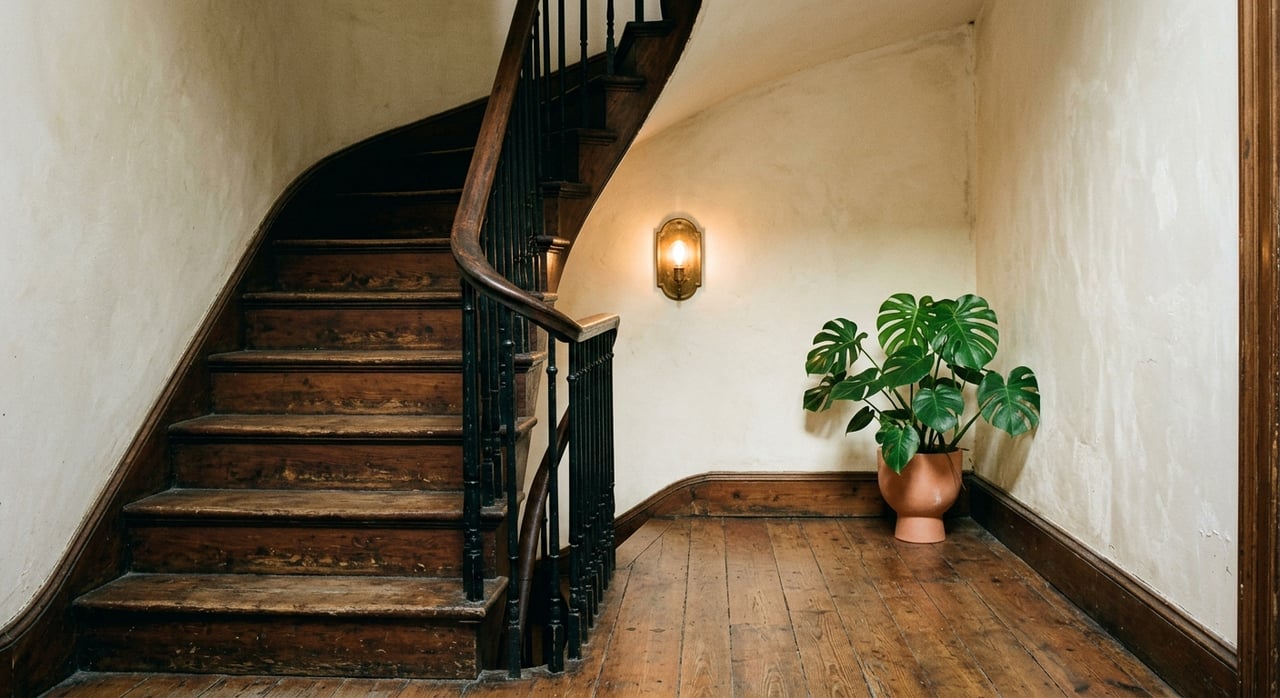
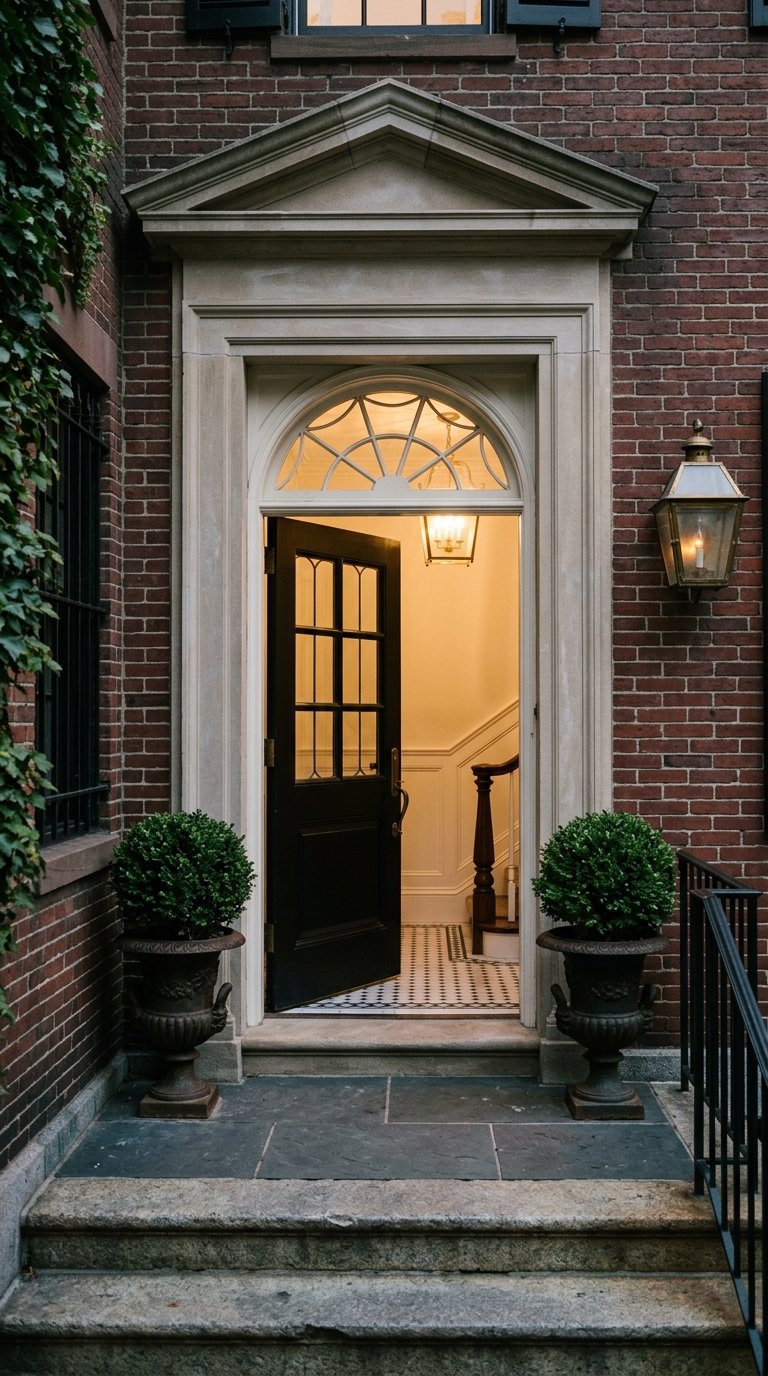
Townhouse-style homes and rowhouse conversions usually appeal to buyers who want character and a more classic Boston feel. In Charlestown, the older street pattern and historic housing stock shape much of that experience. You may find details that feel tied to the neighborhood’s architectural history, along with multi-level living that offers a different rhythm than a single-floor condo.
For some buyers, that vertical layout is a plus. It can create a sense of separation between living and sleeping spaces, and it may offer more room to spread out across levels. Depending on the property, a townhouse or rowhouse conversion may also be more likely to include a private deck, patio, or small outdoor area.
What condos often offer
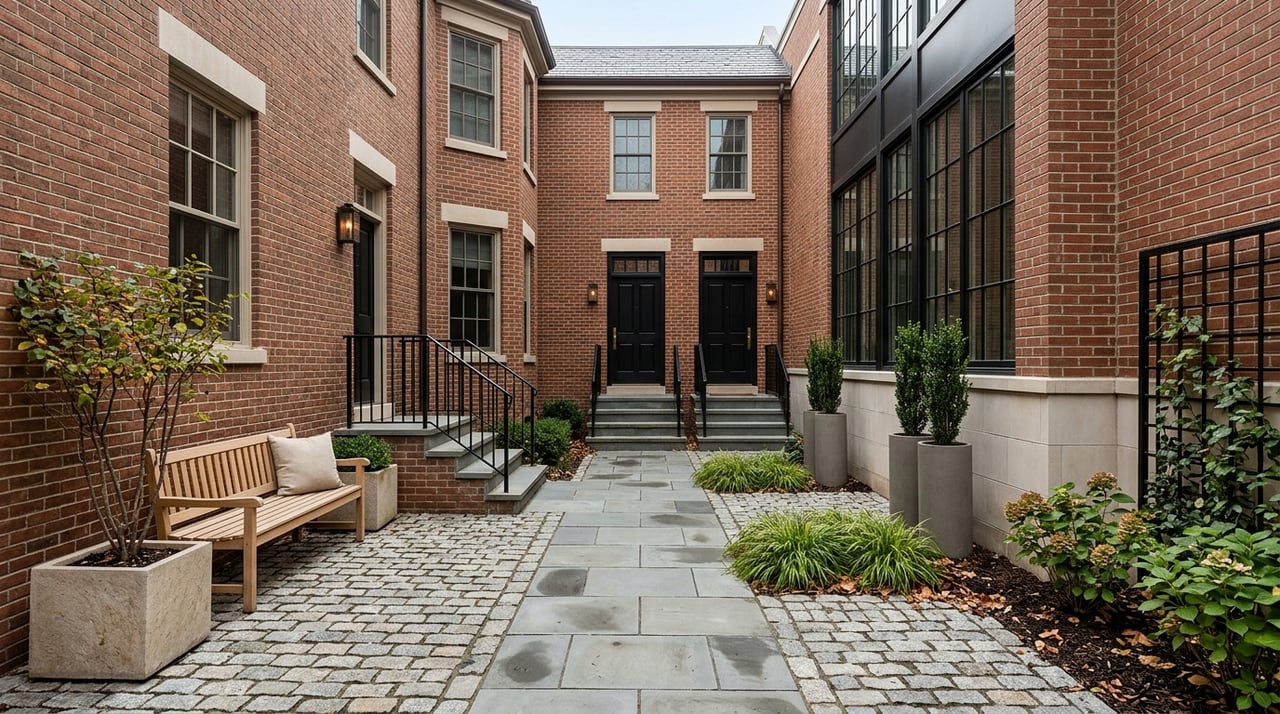
Newer condo buildings often attract buyers who want a more contemporary home and simpler day-to-day upkeep. In Charlestown, that can mean proximity to the Navy Yard, Harborwalk, and waterfront parks, along with layouts that may feel more streamlined and modern. If ease and convenience are high on your list, condos may be worth a close look.
Condo living can also shift the idea of outdoor space. Instead of focusing on a private yard or deck, you may be looking at shared terraces, nearby green space, or access to the public waterfront. In Charlestown, that trade can make sense because the neighborhood offers strong public open-space amenities.
Layouts vary more than you might expect
One of the most useful things to know about Charlestown is that there is no single standard floor plan. Because the neighborhood includes both historic rowhouses and newer condo buildings, buyers should expect a wide range of layouts. That mix supports everything from smaller units to larger townhouse-style homes.
If layout matters to you, it helps to go beyond bedroom count. Two homes with the same number of bedrooms can live very differently depending on ceiling height, window placement, stair configuration, and how public and private spaces are arranged. In a neighborhood with this much architectural variety, those details matter.
Outdoor space matters differently here
Charlestown stands out for its access to public open space. The city highlights neighborhood landmarks and parks including the U.S.S. Constitution, the Bunker Hill Monument, the Charlestown Navy Yard, Paul Revere Park, City Square Park, Thomas Menino Park, and John Harvard Mall. Boston Planning also notes that the Navy Yard includes green spaces and piers with skyline views, and that Shipyard Park is nearly 12 acres.
Harborwalk also runs through Charlestown as part of Boston’s waterfront public-access network. For buyers, this can shape how you think about outdoor living. You may decide that access to parks, piers, and waterfront paths gives you plenty of breathing room, even if a home itself has limited private outdoor space.
Private versus shared outdoor space
If private outdoor space is a top priority, townhouse-style homes may deserve extra attention. A deck, patio, or small yard may be more feasible in that part of the housing stock. In many condo settings, especially newer ones, the tradeoff may be less private space but easier access to shared or public outdoor amenities.
Neither option is better across the board. It depends on how you actually live. If you want a quiet morning coffee outdoors at home, private space may matter more. If you prefer walking to the waterfront or nearby parks, neighborhood access may carry more value.
Parking should be part of your first search
In Charlestown, parking is not something to figure out later. It should be one of the first things you evaluate when comparing homes. The City of Boston’s resident parking permit program gives residents preferential access to on-street spaces on streets posted for resident permit parking only, and the city says permits are free for eligible residents.
There is an important detail, though. The city states that applicants must have vehicles registered and principally garaged at their current Boston address. That means resident parking can be useful, but it is not the same as having deeded, assigned, or garage parking that comes with the property.
How Charlestown residents get around
Charlestown supports a mix of transportation choices. In 2025, 19.5% of households had zero vehicles. Among residents who worked, 35.5% mostly drove or carpooled, 18.8% used public transit, 13.6% walked, and 7.9% used a bike, taxi, motorcycle, or other means.
Those numbers show why parking can be a major quality-of-life issue, even in a walkable Boston neighborhood. If you own a car, ask detailed questions early. If you do not, proximity to transit, parks, and daily conveniences may matter more than a parking space.
Transit and city access are part of the appeal
Charlestown’s location close to Downtown Boston is a major reason many buyers look here. Boston Planning identifies ongoing transportation projects affecting the area, including Orange Line transformation, bus network redesign, and major corridor changes around Rutherford Avenue and Sullivan Square. The planning materials also identify Sullivan Square and Community College as priority transit hubs for denser, mixed-use growth.
The city is also redesigning Rutherford Avenue and Sullivan Square to create a more people-friendly corridor, with the project page showing an expected completion year of 2032. For buyers, this points to continued change in certain parts of the neighborhood. Some areas may feel more tied to long-established residential blocks, while others may be more connected to future transit-oriented growth.
Everyday convenience adds real value
A neighborhood is not just about the home itself. It is also about how easily your day-to-day life fits around it. Boston Planning lists major institutions in Charlestown including Bunker Hill Community College, Spaulding Rehabilitation Hospital, and a branch of Massachusetts General Hospital, all of which contribute to the area’s daily activity and practical convenience.
The city also describes Charlestown as a small, unique community with a strong historic identity, plus active shops and restaurants along Main Street and in City Square. For many buyers, that combination is the draw. You get a neighborhood feel while staying well connected to the wider city.
Questions to ask before you buy
The best Charlestown purchase is usually the one that matches your daily habits, not just your wish list. Before you commit, it helps to compare homes through a few practical lenses.
Ask these questions during your search
- Is the home in a historic rowhouse conversion or a newer condo building?
- How much private outdoor space comes with the property?
- Will you rely on shared outdoor amenities, nearby parks, or Harborwalk access?
- Does the property include deeded, assigned, or garage parking?
- If not, how realistic is resident-permit parking for your needs?
- Is the home closer to the older residential core or nearer Sullivan Square and Community College growth areas?
- If the property is near the waterfront, what should you understand about current coastal resilience planning?
Waterfront buyers should note coastal planning
If you are considering a waterfront or waterfront-adjacent condo, there is one extra layer to understand. The city launched active coastal resilience work in 2025 for the Charlestown Navy Yard and Little Mystic Channel. That does not automatically signal a problem with a specific property.
It does mean waterfront ownership sits within an evolving planning context. If a home’s appeal is closely tied to the waterfront, it is wise to understand how resilience work may shape the area over time. For many buyers, that is simply part of making a well-informed decision.
Which option may fit you best
If you are drawn to architecture, character, and the feel of a classic Boston streetscape, a townhouse-style home may be the better match. If you prefer a more contemporary setup, easier upkeep, and close access to the Navy Yard and waterfront amenities, a condo may fit more naturally. In Charlestown, both options can work well, but they serve different priorities.
The key is to look beyond labels. A condo can feel spacious and beautifully connected to the neighborhood, while a townhouse can offer charm along with practical tradeoffs like stairs, older layouts, or different maintenance considerations. The right choice depends on how you want your home to function every day.
Charlestown offers a rare Boston combination: older townhouse character, newer condo inventory, meaningful open space, and strong city access. If you want a home that blends neighborhood identity with waterfront energy and urban convenience, it is a compelling place to search. And when you understand the housing mix clearly, it becomes much easier to spot the right fit.
If you are thinking about buying in Charlestown and want calm, informed guidance through the process, Caroline Conlon would be glad to help you compare options and find the right fit for your lifestyle.
FAQs
What types of homes do buyers typically find in Charlestown?
- Buyers in Charlestown typically find a mix of brick and wood row houses, townhouse-style homes, waterfront condominiums, and apartments.
How common are condos versus larger homes in Charlestown?
- In 2025, Charlestown had 34.1% of housing units in the 0 to 1 bedroom range, 39.0% in 2-bedroom units, and 26.9% in 3+ bedroom units, which points to a broad range of home sizes.
What should buyers know about parking in Charlestown?
- Buyers should treat parking as a key property feature because some homes include deeded, assigned, or garage parking, while others may rely on Boston’s resident parking permit system.
What outdoor space options do Charlestown condo buyers have?
- Condo buyers in Charlestown may prioritize shared terraces, nearby parks, piers, and Harborwalk access, especially in waterfront areas where neighborhood amenities can matter as much as private outdoor space.
What should waterfront condo buyers in Charlestown consider?
- Buyers looking at waterfront-adjacent homes should be aware that the city launched coastal resilience work in 2025 for the Charlestown Navy Yard and Little Mystic Channel, so it is smart to understand that planning context.
Why do buyers choose Charlestown over other Boston neighborhoods?
- Many buyers choose Charlestown for its combination of historic housing, waterfront access, public open space, and close connections to Downtown Boston and major transit corridors.