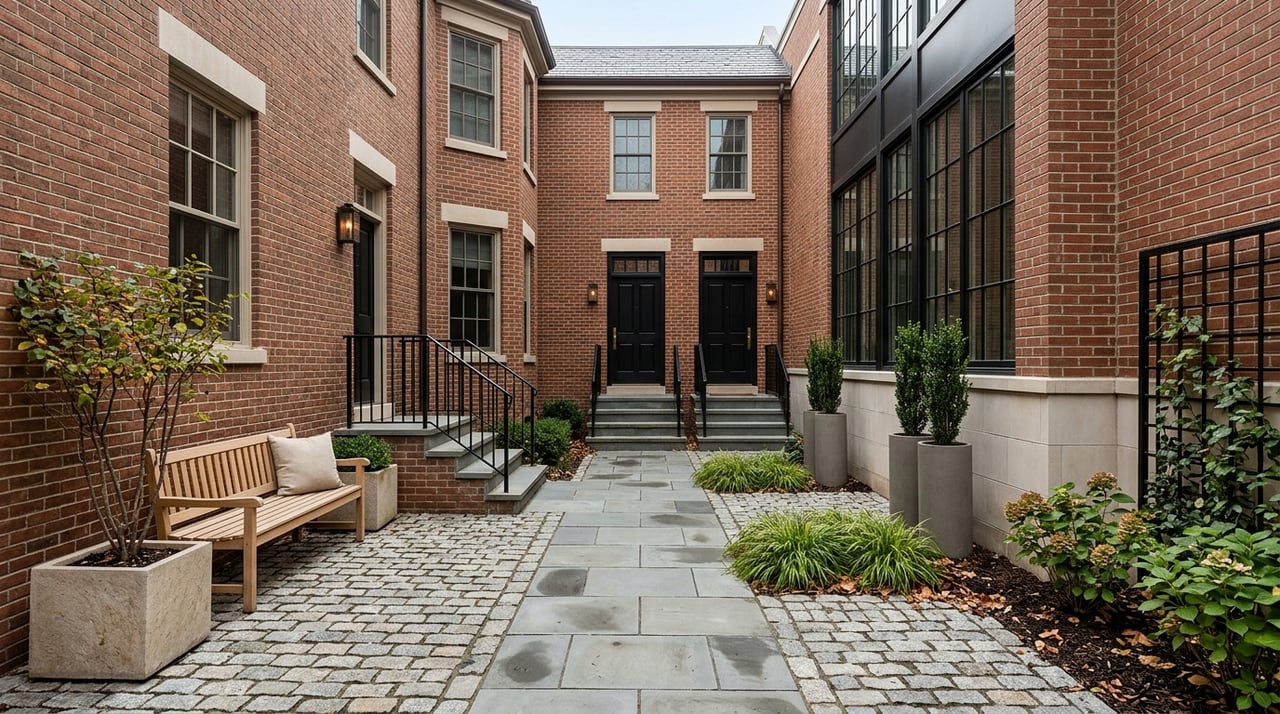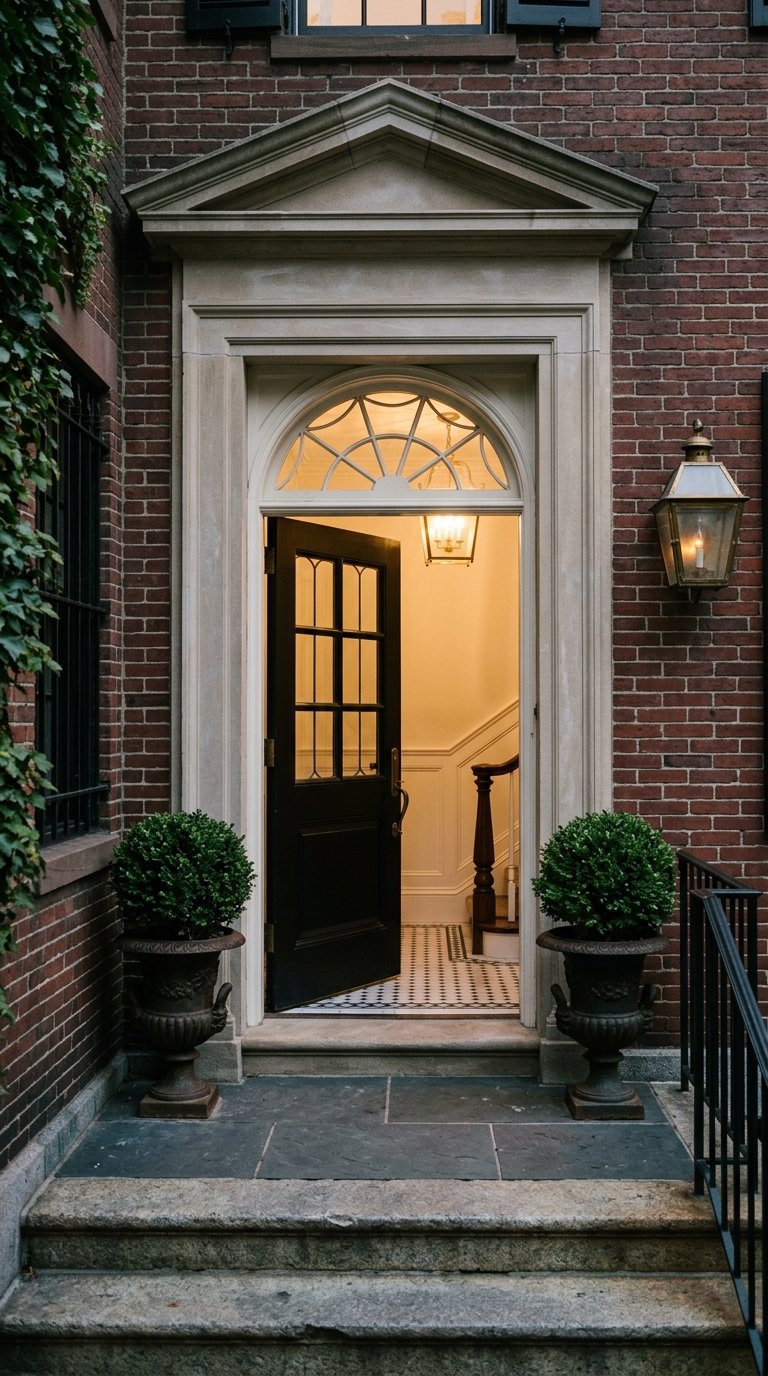
Curious what it’s really like to buy your first home in Boston’s North End? You are not alone. For many first-time buyers, this neighborhood offers a rare mix of charm, convenience, and city energy, but it also comes with a higher price point, older buildings, and a condo-heavy housing stock that can make the process feel more complex. The good news is that with the right preparation, you can approach your search with more clarity and confidence. Let’s dive in.
Why North End draws first-time buyers
The North End has a distinct identity that continues to attract buyers who want a walkable Boston lifestyle. Boston describes the neighborhood as a residential area with narrow, vibrant streets, historic buildings, ground-floor shops and restaurants, and access to waterfront recreation. It is also closely connected to key transit points, including North Station, Haymarket, and Charles/MGH.
For a first-time buyer, that appeal often goes beyond square footage. You are usually buying into location, daily convenience, and the character of the neighborhood itself. In the North End, layout efficiency and building style often matter just as much as the raw size of a unit.
What the market looks like now
If the North End feels competitive, that is because it usually is. Spring 2026 data show a premium market with median prices around the low-to-mid $1 million range, depending on the source, and homes generally moving in roughly 43 to 54 days. Some listings also receive multiple offers.
Because the neighborhood is compact and historically built out, inventory is naturally limited. That means when a well-located condo hits the market, you may not have the luxury of starting your planning from scratch. Getting organized before you begin touring is one of the biggest advantages you can give yourself.
Set your budget beyond the down payment
One of the biggest first-time buyer surprises in the North End is how much the full monthly cost can differ from the mortgage payment alone. In a condo purchase, you also need to budget for association dues, insurance, and the possibility of special assessments.
Massachusetts notes that condo owners typically need HO-6 coverage for what the master insurance policy does not cover. The state also notes that condo associations may assess unit owners for additional costs tied to a covered loss. In practical terms, that means you should look at your purchase budget through both a closing-day lens and a monthly ownership lens.
Costs to plan for
- Down payment
- Closing costs
- Monthly condo association dues
- HO-6 condo insurance
- Property taxes
- Possible special assessments
- Moving expenses
- Repair and update costs after closing
If you are stretching to buy in the North End, this fuller budget picture matters. A beautiful condo can still feel stressful if the monthly total is tighter than expected.
Explore Boston and Massachusetts buyer programs
If you are buying your first home in Boston, local and state programs may be worth reviewing early in the process. Boston’s First-Time Homebuyer Program offers income-eligible buyers a grant toward a down payment. According to the city, eligible buyers under 100% of area median income may qualify for 3% of the purchase price up to $50,000, plus closing costs if applicable, while buyers at 101% to 135% of area median income may qualify for 2% up to $35,000.
Boston also requires participants to be first-time buyers, complete Homebuying 101, and obtain pre-approval from a participating lender. The city’s class offerings include How to Buy a Condo, which can be especially relevant in the North End.
Massachusetts also offers the ONE Mortgage through MassHousing for eligible low- and moderate-income first-time buyers. The program features a 30-year fixed-rate loan, a 3% down payment requirement, and no PMI. Depending on timing and eligibility, state-backed down payment assistance may also be available.
Get pre-approved before you shop seriously
In a neighborhood where listings can move quickly, pre-approval is not just a financing step. It is part of your offer strategy. Sellers and listing agents want to know that you are financially ready, and you will make faster decisions when you already understand your price range.
This matters even more in the North End because the inventory is small and each unit can have a very specific mix of positives and tradeoffs. You may love one building’s location, another’s light, and another’s layout. Pre-approval helps you focus on what is actually within reach when the right opportunity appears.
Expect condos and older buildings
Most first-time buyers in the North End will be looking at condos rather than single-family homes. Many buildings are older, and some are converted structures with layers of updates added over time. That makes due diligence especially important.
Older buildings can offer real charm, but they can also come with aging systems, building-envelope issues, and stricter renovation limitations. As a buyer, you want to appreciate the character without overlooking the practical realities of ownership.
What to inspect closely
Massachusetts says buyers have a protected right to obtain a home inspection, while also noting that inspections are limited in scope and depth. In the North End, it is wise to pay close attention to:
- Plumbing condition
- Electrical systems
- Roofing
- Masonry
- Signs of moisture or water intrusion
- Heating and cooling systems
- Windows and insulation where applicable
- Shared building components that may affect future costs
A standard inspection may not uncover every issue in an older condo building. That is why your broader review of the building and association matters just as much as what happens inside the unit.
Review condo documents carefully
In the North End, condo document review is not a box to check. It is one of the most important parts of the process. Massachusetts says condominium associations should maintain current copies of the master deed, bylaws, amendments, minutes, financial records, contracts, and insurance policies.
These documents can help you understand how the building is run and whether any major expenses may be on the horizon. They can also reveal rules that affect your day-to-day ownership experience.
Key condo documents to review
- Master deed
- Bylaws and amendments
- Association budget and financial records
- Recent meeting minutes
- Current insurance policies
- Work and service contracts
- Information on reserve funds
- Any notice of upcoming repairs or assessments
Massachusetts also notes that questions about condo law and condo documents are legal in nature and should be directed to an attorney with condominium experience. The state further notes that an attorney’s help may be wise before signing real estate documents.
Understand lead paint rules
Because many North End homes were built before 1978, lead paint disclosures are often part of the transaction. Massachusetts and federal law require lead-paint transfer notifications to prospective buyers of pre-1978 homes.
Massachusetts also allows buyers to look up a home’s lead history through the Lead Safe Homes databases. Boston’s guidance notes that contractors working in older homes must follow lead-safe work practices. For you as a buyer, this means older housing stock should be approached with awareness, not fear, and with the right questions asked early.
Check historic district limits before renovating
If you are picturing a quick cosmetic update after closing, pause and verify what approvals may be required. Boston says that if a property is landmarked or located in a historic district, changes may be reviewed by the Boston Landmarks Commission or the relevant district commission.
The city also notes that each district has guidelines tailored to its character. So before you assume you can swap windows, alter an exterior detail, or make visible changes, it is smart to confirm whether the parcel falls within a landmark or historic district boundary.
Don’t overlook title, liens, and insurance
First-time buyers often focus on the mortgage and inspection, but ownership research matters too. Massachusetts explains that deeds show ownership, title insurance can protect against title or ownership problems, and unpaid HOA dues or property taxes can create liens.
This is another reason a careful, organized transaction team matters in the North End. In older and more complex condo settings, the details behind ownership, association obligations, and insurance coverage deserve real attention.
Flood risk may matter more than you think
The North End’s waterfront-adjacent setting is part of its appeal, but it is also a reason to ask smart questions about flood risk. Massachusetts says standard homeowners policies do not cover flood damage, there is no state law requiring flood insurance, and National Flood Insurance Program coverage is available for condominiums.
Boston’s coastal resilience planning specifically identifies Downtown and the North End as part of the city’s coastal resilience study areas. That does not mean every unit will need the same insurance approach, but it does mean flood exposure should be part of your research when reviewing a building.
What a strong first offer looks like
A strong first offer in the North End is not always the highest number. It is usually the offer backed by preparation, realistic expectations, and a clear understanding of the condo and building. In a market where some homes move quickly and some attract multiple offers, speed matters, but so does discipline.
Before you make an offer, it helps to know your ceiling, your comfort level with monthly costs, and how much uncertainty you are willing to take on in an older building. That kind of clarity can help you move decisively without feeling rushed.
The long-term tradeoff to understand
The North End’s long-term appeal comes from location, walkability, transit access, waterfront proximity, and its historic identity. That value proposition tends to hold strong for buyers who genuinely want this style of city living.
At the same time, you are often paying for enduring location and character more than future expansion potential. Because the neighborhood is compact, historic, and subject to preservation review in some cases, major remodeling upside can be more limited than in less regulated areas. For many buyers, that tradeoff is worth it, but it should be a conscious one.
If you are buying your first home in the North End, the best experience usually starts with good preparation and calm guidance. When you understand the budget, building, documents, and timing before you fall in love with a listing, you are far more likely to make a smart move with confidence. If you are thinking about buying in the neighborhood and want a local, thoughtful approach, Caroline Conlon would be glad to help.
FAQs
How much cash do you need beyond the down payment for a North End condo?
- In addition to your down payment, you should budget for closing costs, condo association dues, HO-6 insurance, property taxes, moving costs, and possible special assessments.
What should you inspect in an older North End condo?
- Pay close attention to plumbing, electrical, roofing, masonry, moisture, heating and cooling, and shared building systems that could affect future repair costs.
How do lead paint disclosures work in older Boston homes?
- For pre-1978 homes, required lead-paint transfer notifications must be provided to prospective buyers, and Massachusetts allows buyers to research lead history through the Lead Safe Homes databases.
What renovations may need historic approval in the North End?
- If a property is landmarked or located in a historic district, certain changes may need review by the Boston Landmarks Commission or the relevant district commission.
What condo documents should you review before buying in the North End?
- Review the master deed, bylaws, amendments, financial records, meeting minutes, insurance policies, contracts, reserve information, and any notice of future repairs or assessments.
How quickly do good North End listings move?
- Recent market data suggest many listings move in roughly 43 to 54 days, and some homes receive multiple offers, so buyers benefit from being prepared before touring.
Is flood insurance relevant for a North End condo buyer?
- It can be, especially in waterfront-adjacent or low-lying locations, because standard homeowners insurance does not cover flood damage and coverage may need to be evaluated separately.