If you are trying to buy a condo in Boston’s South End, you have probably already noticed the tension in the market. One listing draws instant interest, while another sits for weeks and sells near asking or below it. That can make it hard to know how aggressive to be, what to prepare, and where to hold your ground. In this guide, you’ll learn how to compete thoughtfully in the South End with a strategy built around speed, clarity, and smart due diligence. Let’s dive in.
Understand the South End market
The South End is one of Boston’s most distinctive condo markets, and it does not behave the same way on every block or with every listing. Recent data points to a high-price neighborhood where well-positioned properties can move quickly, but not every condo becomes a bidding war.
Recent snapshots show median sale or asking prices around the low-to-mid $1 million range, with homes generally going under agreement or selling in about 18 to 26 days. Redfin also describes the South End as very competitive, with a 98.7% sale-to-list ratio and about 22.9% of homes selling above list price. At the same time, 27.8% of homes saw price drops, which is an important reminder that selectivity matters here.
That mixed picture shows up in recent sales. Some condos sold at list right away, while others took 56 to 80 days and closed at list or slightly below. For you as a buyer, the takeaway is simple: do not assume every South End condo requires an all-out bidding war.
Know what makes South End condos unique
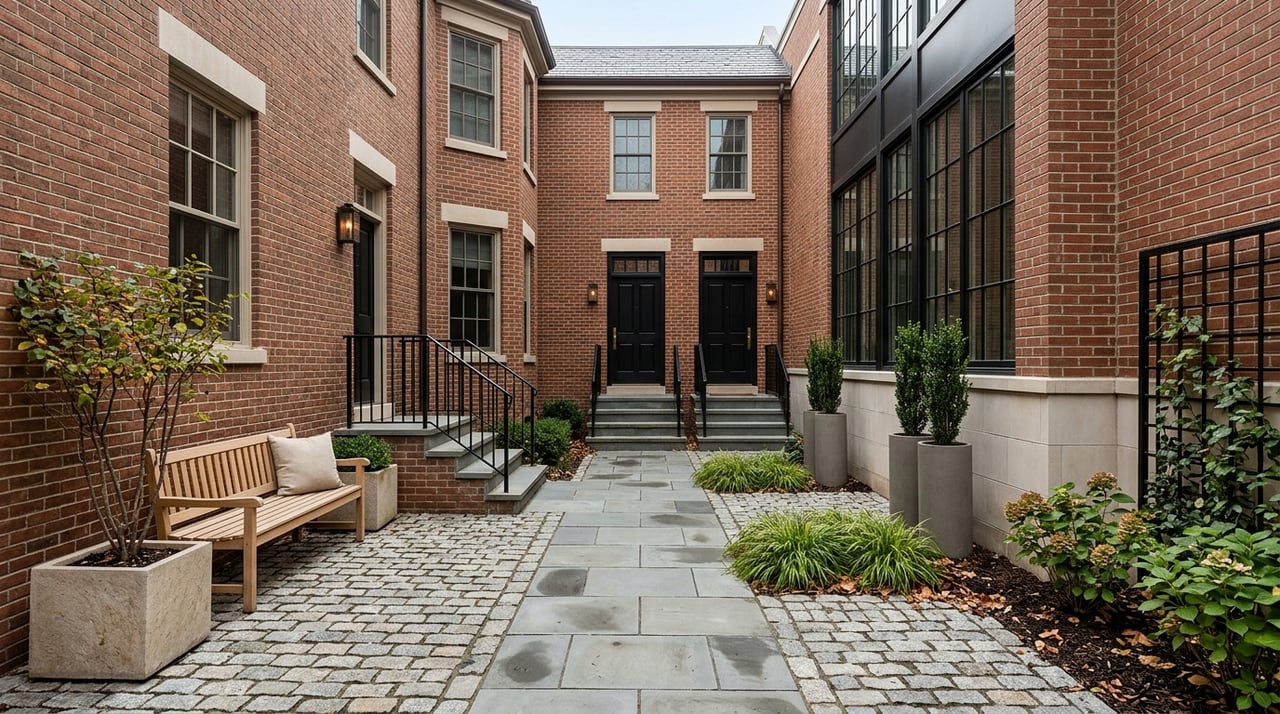
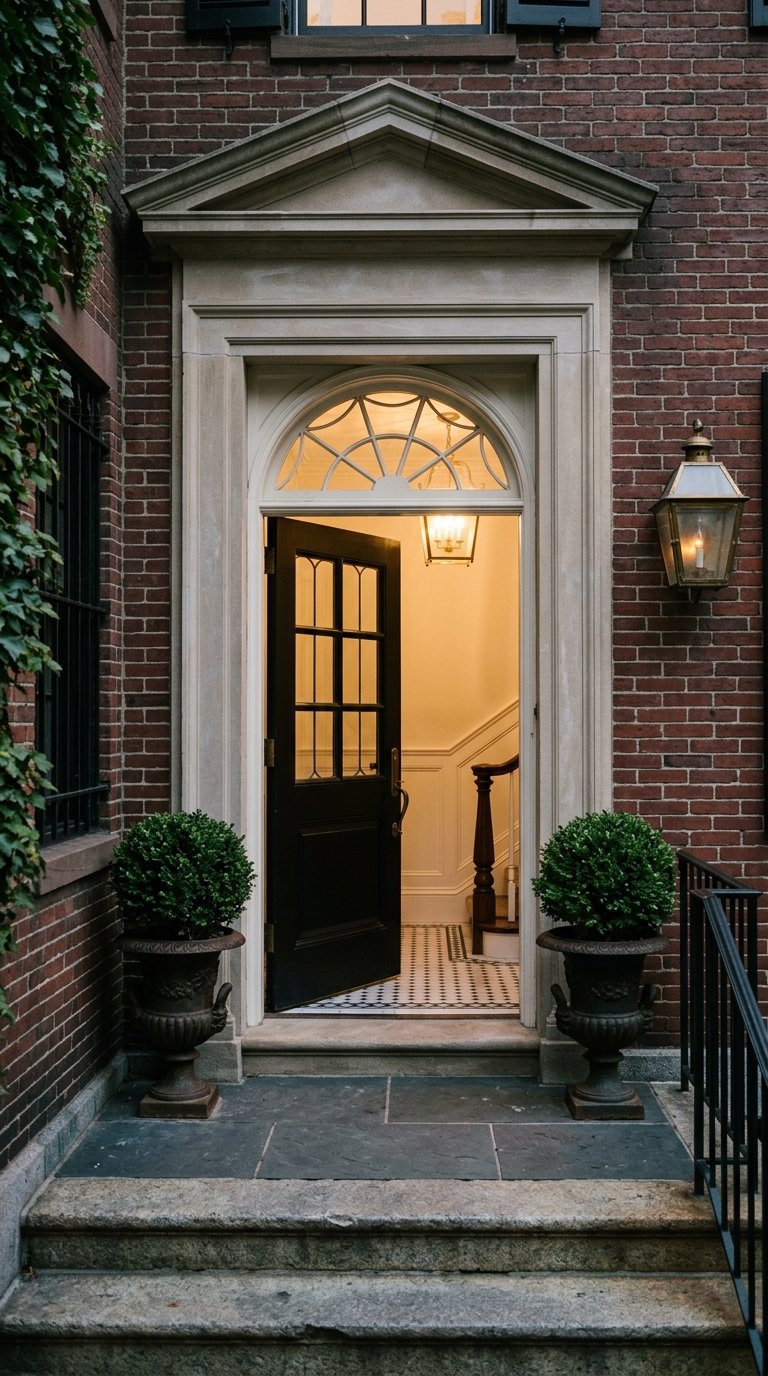
The South End is an official Boston Landmark District, designated in 1983. Much of the neighborhood’s housing stock includes historic rowhouses, brownstones, and converted buildings that give the area its strong architectural character.
That charm is a major reason buyers are drawn here, but it also affects ownership. If you think you may want to change exterior elements later, such as a front facade detail, visible rooftop feature, or certain elevations facing a public way, those changes may require review and approval before work begins.
This does not mean you should avoid older or design-forward buildings. It simply means you should buy with your future plans in mind. In the South End, architecture and ownership rules are often part of the buying decision.
Get financially ready before you tour
In a market like this, preparation gives you leverage. Massachusetts guidance encourages buyers to stay on top of financing, paperwork, and legal review early in the process, and that matters even more when the right condo appears without much warning.
Before you start touring seriously, know your real budget ceiling. That number should include more than your mortgage comfort zone. It should also leave room for closing costs, moving costs, furniture, repairs, home improvements, and ongoing condo fees.
This is especially important in the South End, where design-conscious buyers may stretch for location or layout and forget the setup costs that come after closing. A strong offer is not just the highest number you can write. It is the one that still feels manageable once the keys are in your hand.
Move fast, but not blindly
Massachusetts brokers are required to convey offers to the seller, which is one reason timing matters so much. If a condo fits your goals, waiting too long can mean losing the chance to compete.
That said, speed should not turn into panic. The best buyers make decisions quickly because they have already done the work up front. They know their ceiling, understand their financing, and have already thought through the tradeoffs they are willing to make.
If you want to compete well, try to decide these points before you fall in love with a specific unit:
- Your maximum purchase price
- Your monthly comfort level including condo fees
- Your timeline for closing and moving
- Whether cosmetic updates are acceptable
- Which protections you want to preserve in the contract
Compete on certainty, not just price
In the South End, a clean and credible offer can matter just as much as a slightly higher number. Because recent sales show a mix of at-ask, above-ask, and below-ask outcomes, strategy should be shaped by the listing in front of you, not by assumptions about the whole neighborhood.
A competitive offer often works best when it signals confidence and follow-through. That can mean having your financial documentation ready, keeping timelines realistic, and making sure you can meet lender and contract deadlines.
Massachusetts also advises buyers to allow enough time in the purchase and sale agreement to obtain financing. In other words, certainty does not mean rushing into terms that create avoidable risk. It means being organized and credible from the start.
Be careful with contingency decisions
One of the biggest mistakes buyers make in competitive markets is assuming they must waive protections to have a chance. In Massachusetts, the legal framework around real estate conveyancing restricts certain sellers from conditioning acceptance on a home inspection waiver, and buyers are advised to consult counsel before agreeing to contract terms.
That does not mean every offer needs the same contingency structure. It does mean you should avoid treating waiver strategies as automatic. A competitive offer can still be thoughtful, and the best approach depends on the property, the seller’s priorities, and your own risk tolerance.
If you are trying to strike the right balance, focus on this question: Which protections matter most for this specific condo, and which terms can stay flexible without undermining your comfort? That is a much better framework than assuming every strong offer must give everything up.
Review condo documents early
Condo due diligence is especially important in the South End because each building can come with its own rules, structure, and timing issues. Massachusetts notes that condominiums are privately owned and governed through master condominium documents, the deed, and bylaws.
Those documents can shape your ownership experience in very practical ways. They may outline rules, restrictions, and association processes that affect how the building operates. Some condo documents can also include a right of first refusal, which can create an extra layer of review or timing.
For that reason, it helps to have your attorney review the governing documents early enough to spot any concerns before the offer becomes too firm. In a fast-moving market, buyers sometimes focus so much on winning that they overlook how the building itself may affect the transaction.
Think ahead about renovations
A South End condo can be a wonderful fit if you appreciate historic architecture and layered design. Still, if part of your plan is to renovate after closing, it is wise to think beyond finishes and floor plans.
Because the South End is a landmark district, exterior work in certain visible areas may be subject to design review and approval before work begins. That can affect timelines, scope, and expectations for projects that might feel straightforward elsewhere.
If you are comparing two condos, this can become a meaningful decision point. A unit that feels nearly move-in ready may be easier to live with than one that depends on future exterior changes or building approvals.
A practical South End offer strategy
When the right condo appears, your goal is to be decisive without becoming reactive. In this neighborhood, a smart offer usually comes from preparation, not pressure.
Here is a practical framework to keep in mind:
Study the listing, not just the zip code Some South End condos move instantly. Others do not. Recent sales support both outcomes.
Set your walk-away number early Include closing costs, moving expenses, condo fees, and immediate updates in your math.
Have your legal and financing process ready Massachusetts guidance points to early attorney involvement and steady lender follow-through.
Use contingencies thoughtfully Do not assume waiving protections is your only route to winning.
Review the building as carefully as the unit The condo documents matter just as much as the kitchen or the light.
Keep future plans realistic If you expect to renovate, understand landmark review rules before you buy.
Stay calm in a selective market
The South End can feel intense because the inventory is expensive, design-driven, and often highly specific. Buyers are not just choosing square footage. They are often choosing block character, building style, outdoor space, light, and layout.
That is exactly why calm guidance matters. In a neighborhood with both emotional pull and real complexity, the strongest position usually comes from staying clear about your priorities and responding to each opportunity with a measured plan.
You do not need to chase every listing or outbid everyone at all costs. You need to know what fits, what it is worth to you, and how to act quickly when the match is right.
If you’re preparing to buy in the South End and want a steady, thoughtful approach to the process, Caroline Conlon can help you navigate the market with clear communication, local insight, and a calm eye for both value and design.
FAQs
Is the South End Boston condo market always a bidding war?
- No. Recent South End sales include condos that sold immediately at asking, as well as properties that stayed on the market for several weeks and closed at or below list price.
Should you waive inspection for a South End Boston condo?
- Not by default. Massachusetts law restricts certain sellers from conditioning acceptance on an inspection waiver, and buyers should consult an attorney before agreeing to contract terms.
What condo documents matter when buying in Boston’s South End?
- Key documents include the master condominium documents, deed, and bylaws. These may also include association rights, restrictions, and possible rights of first refusal.
Can you renovate a condo after buying in Boston’s South End?
- Maybe, but some exterior work in the South End Landmark District is subject to review and approval before work begins.
How fast do South End Boston condos usually sell?
- Recent market snapshots suggest many condos move in roughly 18 to 26 days, though actual timing varies by listing, pricing, and property condition.
What should your South End Boston condo budget include?
- Your budget should account for more than the purchase price and mortgage payment. It should also include closing costs, moving expenses, furniture, repairs, home improvements, and condo fees.