Wondering whether Boston’s West End matches the way you actually want to live? This is one of those neighborhoods that can make a lot of sense for the right buyer or renter, but it is not trying to be everything to everyone. If you want a clear picture of the housing, pace, and tradeoffs, this guide will help you decide whether the West End fits your lifestyle goals. Let’s dive in.
Why the West End stands out
The West End is a small, central Boston neighborhood that blends residential buildings, major institutions, and day-to-day city convenience. The City of Boston describes it as a historic neighborhood with a bustling business community, a growing residential population, and major anchors like Massachusetts General Hospital and TD Garden.
That mix gives the West End a very specific identity. You are not looking at a neighborhood defined by detached homes or long stretches of classic brownstones. Instead, you will find a compact, mixed-use part of Boston where access, efficiency, and proximity shape daily life.
West End history shapes today’s feel
If the West End feels different from some of Boston’s older residential neighborhoods, there is a reason. The West End Museum notes that much of the neighborhood’s earlier fabric was cleared during urban renewal in the 1950s and 1960s, which means the present-day area is largely made up of later-generation housing and institutional uses.
That history matters when you are thinking about fit. The West End has historic roots, but most of its built environment feels more modern than neighborhoods where older rowhouses still set the tone. For many buyers and renters, that means a more practical, lower-maintenance housing stock in a central location.
What homes look like here
If you are searching in the West End, expect condos, apartment buildings, and mixed-use developments to shape most of the inventory. This is not a neighborhood known for single-family homes, and that is an important expectation to set early.
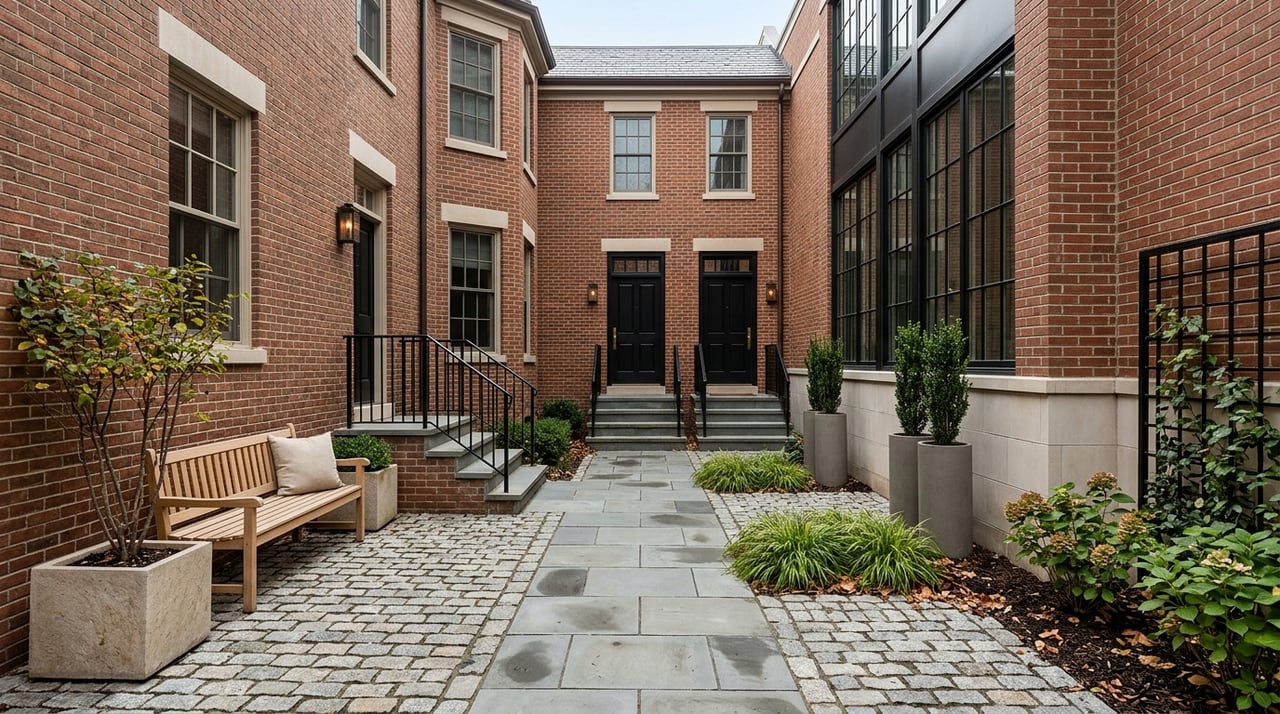
One useful example is West End Place, a mixed-income condominium complex with market-rate and subsidized apartments, commercial space, and an interior courtyard. It reflects the neighborhood’s broader pattern of larger-scale residential buildings rather than small traditional house blocks.
The redevelopment plan for the West End Library site points in the same direction. The project includes a new two-story branch library with 119 income-restricted apartments above it, reinforcing how closely housing supply here is tied to mixed-use and transit-oriented development.
A good fit for low-maintenance living
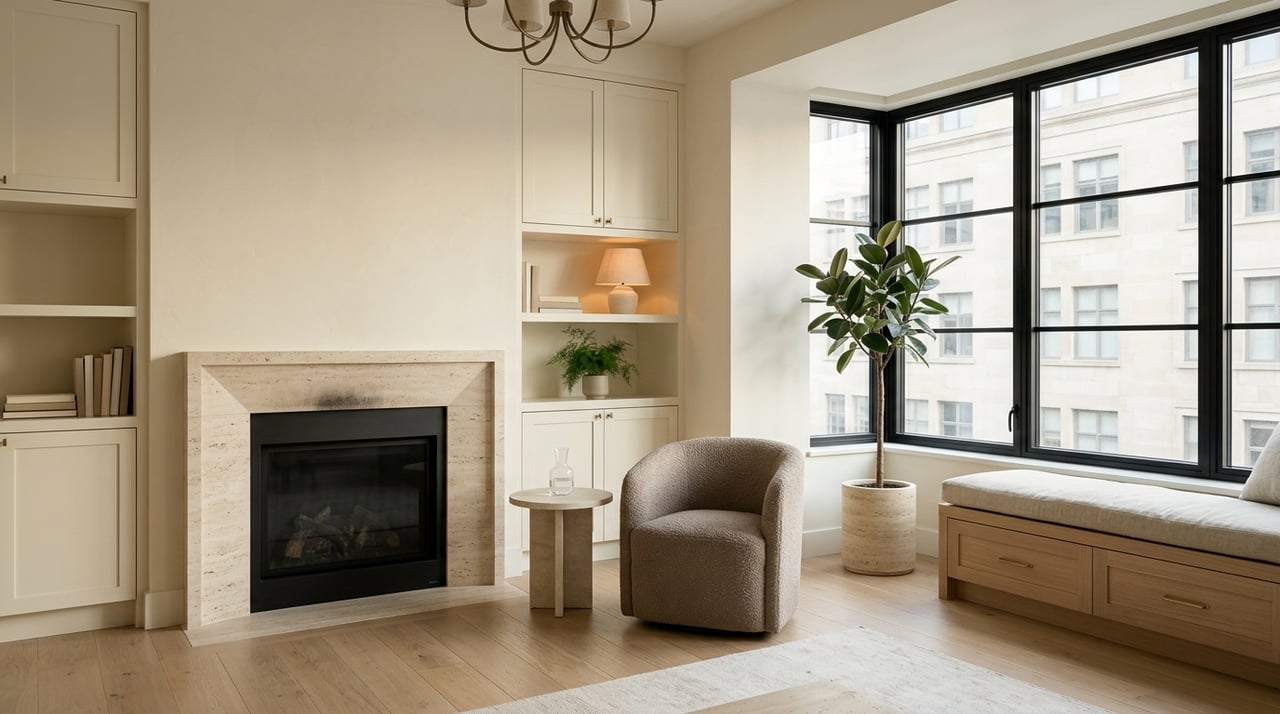
For many people, the biggest appeal of the West End is simple: it supports a lower-maintenance city lifestyle. If you prefer elevator buildings, smaller spaces, and less day-to-day property upkeep, this neighborhood may line up well with your priorities.
A local Boston community profile for the 151 Cambridge Street project area found 75.3% renter occupancy and 59.5% studio or one-bedroom units. That is only a snapshot of the project area, not the full neighborhood, but it still helps illustrate why the West End often appeals to renters, singles, couples, downsizers, and buyers who want a smaller footprint.
Transit is one of the biggest advantages
Transit access is one of the West End’s strongest selling points. The neighborhood sits near Charles/MGH on the Red Line, Science Park/West End on the Green Line, and the North Station, Haymarket, and Government Center core, with North Station serving as a commuter rail, subway, and bus hub.
In real life, that can make getting around Boston feel much easier. If you value rail access, quick connections, and a location near major job centers, the West End checks an important box.
The neighborhood also supports a walk-oriented routine. A Boston transportation report found that in the North End and West End area, 47% of trips were by foot and 20% by transit. Even though the report is older, it supports the broader point that the West End is built for short urban trips rather than car-dependent living.
What daily life can feel like
The West End has a central, active rhythm. With Massachusetts General Hospital, TD Garden, transit hubs, and surrounding employment centers nearby, parts of the neighborhood can feel busy, especially during commuting hours or event nights.
At the same time, that does not mean every corner feels hectic. Based on the neighborhood’s land use mix, residential areas in interior tower-and-courtyard spaces or along river-facing edges may feel calmer than the busier institutional and entertainment corridors.
This is a neighborhood where your exact building and block matter. If you are considering a move here, it helps to think beyond the neighborhood name and focus on the day-to-day feel of the specific pocket you are choosing.
Amenities close to home
The West End offers more than convenience alone. The City of Boston highlights key neighborhood places including the West End Museum and West End Community Center, while a 2024 Boston.com profile points to nearby riverfront access, the Gridley Locks Footpath, cafés, museums, food halls, and event-driven nightlife.
That gives the West End a layered lifestyle appeal. You can have access to civic spaces, cultural stops, outdoor walking routes, and major entertainment venues without needing a long trip across the city.
For some buyers and renters, that balance is the draw. You are close to a lot of activity, but you may still find moments of calm depending on where in the neighborhood you land.
Historic character is still present, just limited
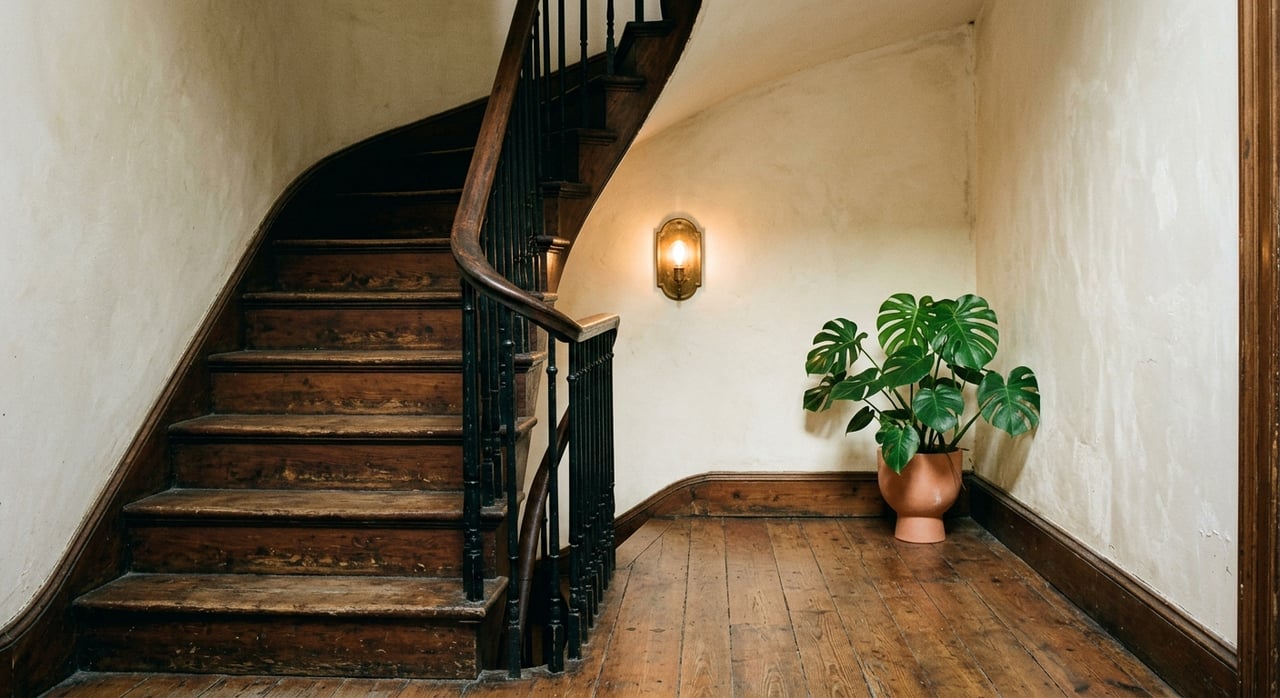
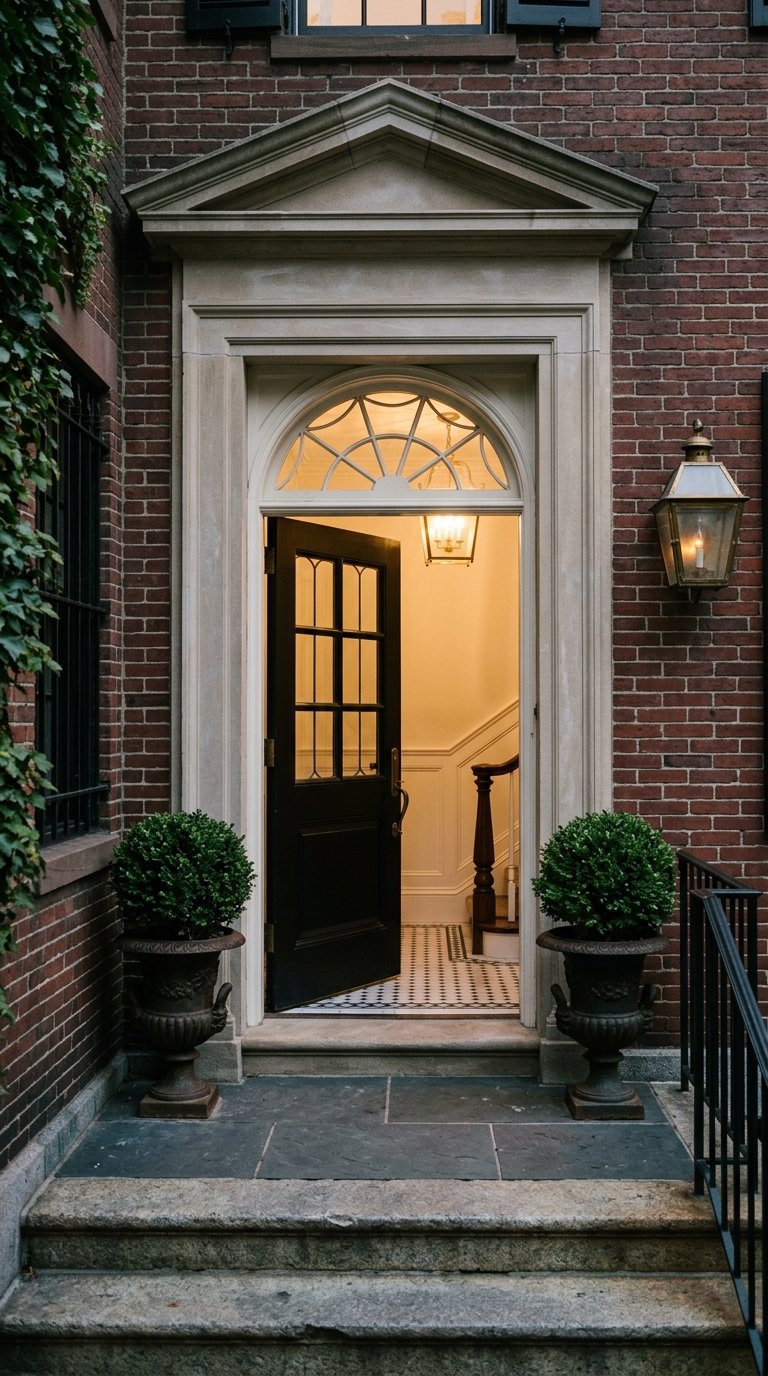
If historic architecture matters to you, the West End still has a few important survivors. The Old West Church, the First Harrison Gray Otis House, and 42 Lomasney Way, known as the Last Tenement, offer a glimpse into the neighborhood’s earlier built history.
Still, it is important to set expectations. These landmarks add depth and context, but they do not define the majority of today’s housing stock. If your dream is a classic Boston rowhouse setting, the West End may feel more modern and less architecturally traditional than you expect.
Who the West End may suit best
The West End tends to work well for people who care more about convenience than square footage. If you want to be close to downtown, transit, hospitals, entertainment, and everyday services, the neighborhood has a lot going for it.
It may be especially appealing if you are:
- Renting in Boston and want strong transit access
- Buying your first city condo and prefer lower-maintenance living
- Downsizing into an elevator building
- Working near Massachusetts General Hospital or another central job hub
- Looking for a compact home base with quick access to the rest of the city
For these buyers and renters, the West End can offer a very practical version of city living.
Tradeoffs to think through
Every neighborhood comes with tradeoffs, and the West End is no exception. Its central location is a major strength, but the same density and institutional presence can make it feel less intimate than neighborhoods built around smaller residential streets.
You may also find that the housing mix leans more heavily toward studios, one-bedrooms, and larger condo or apartment buildings than toward expansive layouts. If you want yard space, a classic house feel, or a streetscape dominated by historic residential architecture, you may want to compare the West End with other Boston neighborhoods before deciding.
Questions to ask yourself before moving
A quick self-check can make your search much easier. Before you commit to the West End, ask yourself:
- Do you want to rely more on walking and transit than on a car?
- Are you comfortable in a condo or apartment setting?
- Would you rather trade space for location?
- Do you like being near institutions, events, and activity?
- Are you looking for a modern, efficient city lifestyle rather than a traditional house-centered neighborhood?
If you answered yes to most of these, the West End may be a strong match.
Final thoughts on neighborhood fit
The West End is best for people who want central Boston access, straightforward living, and a home that supports a busy urban routine. It offers a mix of residential buildings, transit convenience, and nearby amenities that can make everyday life feel efficient and connected.
It is not the right fit if you are chasing a classic single-family or brownstone-heavy neighborhood feel. But if your priorities are walkability, low-maintenance living, and being close to where Boston moves, the West End deserves a serious look.
If you are weighing Boston neighborhoods and want calm, tailored guidance on what fits your lifestyle, price point, and priorities, Caroline Conlon would be glad to help.
FAQs
Is Boston’s West End mostly residential or institutional?
- It is a mix of both. The City of Boston highlights major institutions like Massachusetts General Hospital and TD Garden, while also noting a growing residential population.
What type of homes are common in Boston’s West End?
- Most housing is made up of condos, apartment buildings, and mixed-use or mixed-income developments rather than detached houses.
Is the West End a good neighborhood for renters in Boston?
- It can be, especially if you want transit access, a smaller footprint, and a lower-maintenance urban lifestyle.
Is Boston’s West End good for first-time condo buyers?
- It may be a strong fit if you value convenience, building amenities, and location more than extra space or a traditional house setting.
Does the West End have historic buildings?
- Yes, but only a limited number remain. Notable examples include the Old West Church, the First Harrison Gray Otis House, and 42 Lomasney Way.
Is the West End easy to get around without a car?
- Yes. The neighborhood is close to several MBTA stations and is well suited to walking and transit-based daily routines.