If you are thinking about living in Boston’s North End, the biggest question is usually not whether the neighborhood has charm. It does. The real question is whether its pace, housing style, and day-to-day trade-offs fit how you actually want to live. In this guide, you’ll get a clear look at everyday life, housing, commuting, and what to expect before you move. Let’s dive in.
What Living In The North End Feels Like
The North End is Boston’s oldest residential neighborhood, with roots going back to the 1630s. According to the Boston Planning & Development Agency neighborhood overview, it sits along the harbor on the city’s northeastern edge and is widely known for its historic character, brick buildings, and strong Italian-American identity.
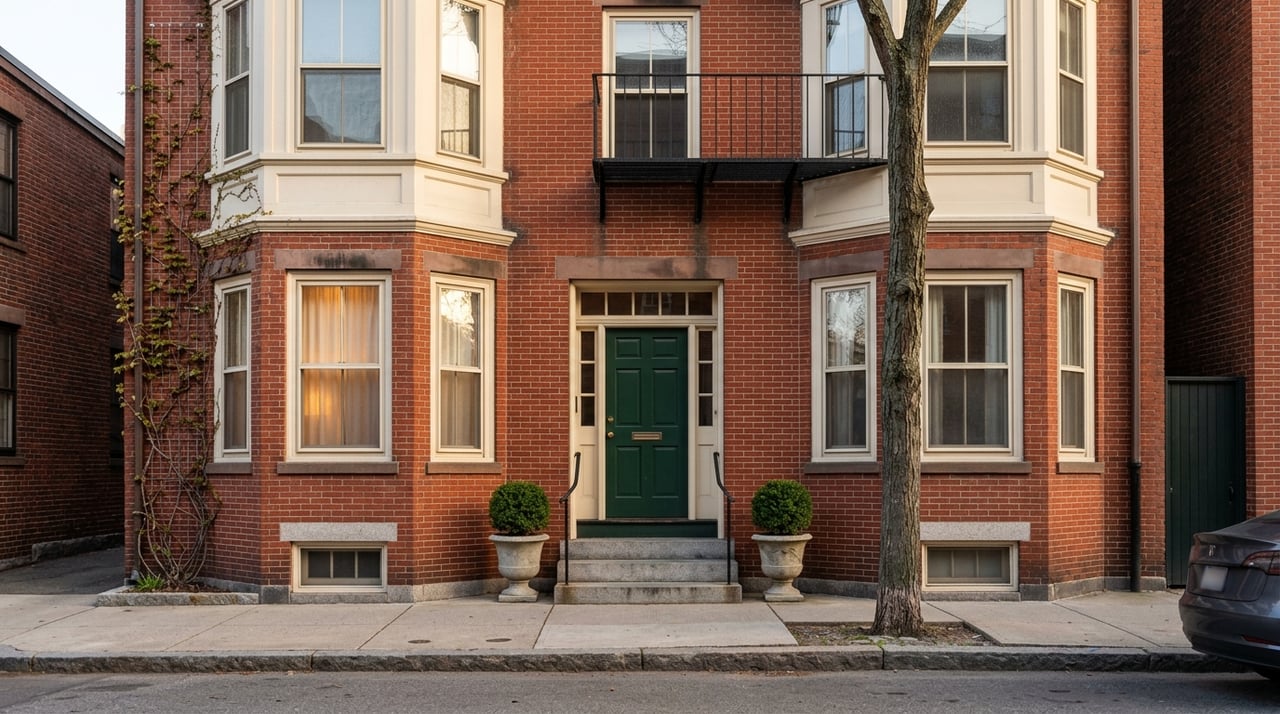
You feel that history in the built environment. Narrow streets, older brick apartment buildings, and mixed-use blocks give the neighborhood a compact, distinctly urban look. Hanover Street and Salem Street act as major commercial corridors, so daily life often unfolds within a short walk of cafes, restaurants, and local businesses.
It is also one of Boston’s most visited neighborhoods. The City of Boston’s North End page highlights waterfront recreation, the Steriti Ice Rink, Mirabella Pool, bocce courts, and annual neighborhood feasts that bring food, music, and crowds into the streets. In practical terms, that means the North End often feels lively, social, and busy, especially during dining hours and festival season.
Why Buyers Love The Lifestyle
For many buyers, the North End offers a version of Boston living that feels highly walkable and deeply connected to the city. You can step outside and be close to restaurants, waterfront areas, historic landmarks, and transit. That kind of convenience is a big part of the neighborhood’s appeal.
The area also suits people who want a home base with character rather than a cookie-cutter feel. The neighborhood’s older buildings, preserved scale, and pedestrian-friendly layout create a setting that feels visually distinct from newer parts of the city. If you value architecture, atmosphere, and being able to do a lot on foot, the North End checks many of those boxes.
From a lifestyle standpoint, it often appeals to singles, couples, and professionals looking for a central location near downtown. That aligns with BPDA neighborhood data, which shows a relatively young adult population and a highly educated resident base. Of course, every buyer is different, but the neighborhood’s housing mix and location help explain why it tends to attract people seeking an urban, low-car lifestyle.
North End Housing At A Glance
Housing in the North End is shaped by the neighborhood’s historic form. The North End Neighborhood Design Overlay District was created to protect the area’s existing scale, mixed-use character, pedestrian environment, and concentration of historic buildings.
That shows up clearly in the housing stock. Instead of detached single-family homes and large lots, you will mostly find older brick apartment buildings, condos, and mixed-use properties. The North End reads much more like a compact condo-and-apartment neighborhood than a traditional house neighborhood.
Recent BPDA ACS profile data reports 6,709 housing units in the North End, with 85.4% occupied. It is also a renter-heavy neighborhood, with 75.2% of occupied units renter-occupied and 24.8% owner-occupied.
What Home Sizes Are Most Common
If you are hoping for a large floor plan, this is an important reality check. The same BPDA ACS data shows that 40.0% of units are studios or one-bedrooms, and 37.6% are two-bedrooms.
Three-bedroom homes make up 9.4% of the housing stock, while only 3.8% are four bedrooms or larger. In other words, smaller homes dominate the neighborhood. That can work very well if you want efficiency, lower-maintenance living, or a city condo lifestyle, but it can be more limiting if you need generous square footage or several private rooms.
Historically, the area has also had a meaningful condo base. BPDA neighborhood profile data previously identified 2,146 condominiums in the neighborhood in FY2018, which helps explain why many buyers encounter the North End through renovated condo listings rather than traditional houses.
What Everyday Convenience Looks Like
One of the North End’s strongest advantages is how easy it can be to move through the city without relying heavily on a car. A Boston transportation planning document notes that North Station sits adjacent to the neighborhood and functions as a commuter rail, subway, and bus hub, while Haymarket nearby serves the Green and Orange lines.
That level of access supports shorter, more flexible commutes. In the 2017 to 2021 BPDA ACS neighborhood profile, 62.5% of North End workers who did not work from home had commute times under 30 minutes. Only 7.5% had commute times of 60 minutes or more.
If your goal is to stay close to downtown and reduce time spent commuting, those numbers are encouraging. For many residents, convenience is not just about proximity to transit. It is also about being able to combine errands, dining, recreation, and commuting into a walkable daily routine.
Parking And Car Ownership Realities
Parking is one of the most important practical considerations in the North End. If you are moving from a neighborhood where off-street parking is common, the adjustment can feel significant.
The same BPDA ACS profile shows that 52.7% of North End households had no vehicle access, while 34.8% had one vehicle. Only 0.9% had three or more vehicles.
Those numbers suggest that car-light living is normal here. They also reinforce that parking should be treated as a real decision point when evaluating a specific property. If you know you will need regular, easy car access, it is worth thinking through that early in your search rather than assuming it will be simple to solve later.
Is The North End A Good Fit For You?
The North End tends to be a strong fit if you want a dense, walkable neighborhood with historic character, smaller housing options, and access to transit. It also makes sense if you enjoy active streets, local dining, and the energy that comes with living in one of Boston’s most visited neighborhoods.
It may be a less natural fit if you want a quieter setting, larger floor plans, or frequent off-street parking. None of those needs are wrong. They just matter more here because the neighborhood’s physical layout and housing stock are quite specific.
When I talk with buyers about the North End, one of the most useful questions is simple: Do you want your home to feel like a calm retreat from city life, or do you want your neighborhood to be part of the experience every day? In the North End, the neighborhood is very much part of the experience.
What To Consider Before You Move
Before you buy or rent in the North End, it helps to think beyond the listing photos. A beautiful interior matters, but so does how the surrounding neighborhood supports your routine.
Here are a few smart questions to ask yourself:
- Do you feel comfortable with a smaller floor plan if the location is exceptional?
- How important is walkability in your day-to-day life?
- Will you rely on transit, walking, or a car most often?
- Are you comfortable with a busy street scene during evenings, weekends, and festival periods?
- Do you want historic character, even if that comes with some urban trade-offs?
If your answers lean toward convenience, character, and city energy, the North End can be a very compelling option. If your priorities lean toward space, privacy, and easy parking, you may want to compare it carefully with other Boston neighborhoods before making a move.
A Local Perspective Matters
The North End is one of those neighborhoods where the details really shape the experience. Two homes may be only a few blocks apart but offer very different day-to-day living depending on street activity, building style, layout, and access.
That is why local context matters so much. Beyond price and square footage, you want to understand how a home actually lives, how the neighborhood feels at different times of day, and what trade-offs are worth it for your goals.
If you are considering a move to the North End, Caroline Conlon can help you evaluate the neighborhood with a clear, thoughtful lens and a true on-the-ground understanding of Boston city living.
FAQs
What is everyday life like in Boston’s North End?
- Everyday life in Boston’s North End is lively, walkable, and shaped by restaurants, cafes, waterfront amenities, and frequent street activity, especially during peak dining times and annual feasts.
What types of homes are common in Boston’s North End?
- Homes in Boston’s North End are most commonly condos, apartments, and mixed-use building residences, with studios, one-bedrooms, and two-bedrooms making up most of the housing stock.
Is Boston’s North End mostly renters or homeowners?
- Boston’s North End is mostly renter-occupied, with BPDA ACS data showing 75.2% of occupied housing units are renter-occupied and 24.8% are owner-occupied.
Is parking easy in Boston’s North End?
- Parking is a notable consideration in Boston’s North End, and the data suggests many households live with limited or no vehicle access, so buyers and renters should evaluate parking needs carefully.
Is Boston’s North End good for commuting?
- Boston’s North End can be very convenient for commuting because it is near North Station and Haymarket, with access to commuter rail, subway lines, buses, and relatively short commute times for many residents.