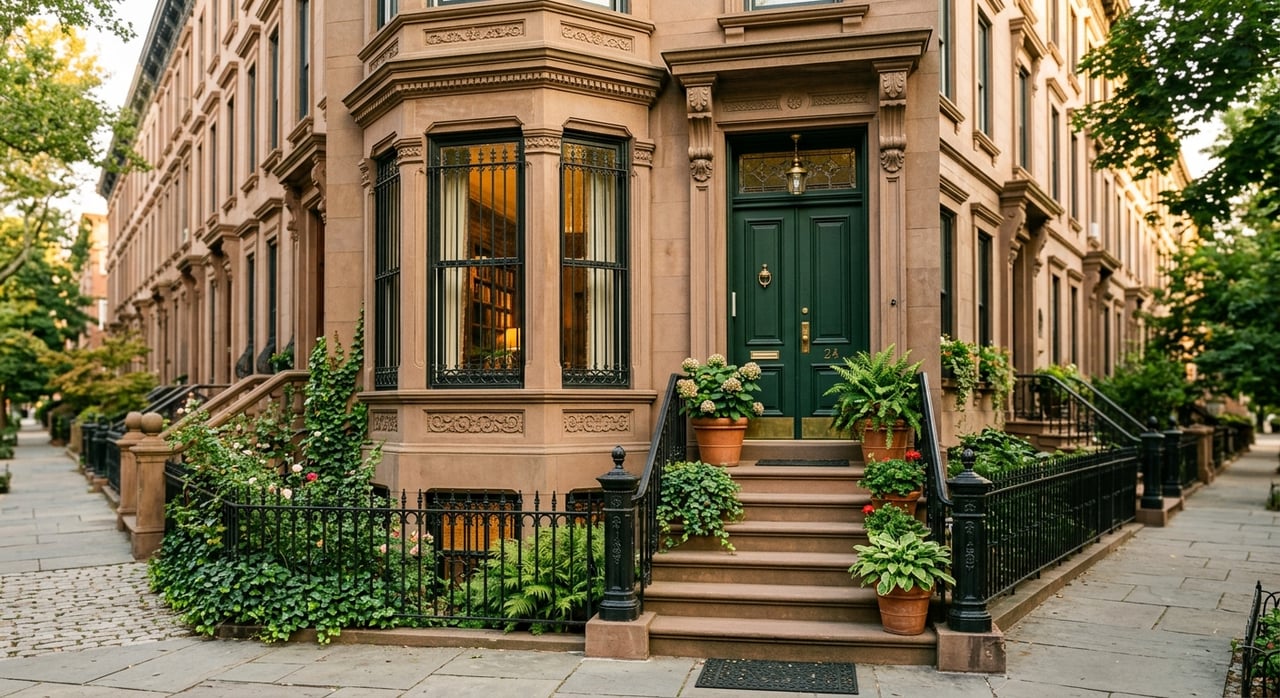
Choosing between Back Bay and the South End is not just about picking a Boston address. It is about deciding how you want your everyday life to feel in one of the city’s most iconic brownstone settings. If you are weighing both neighborhoods, this guide will help you compare their streetscapes, housing mix, lifestyle rhythm, and long-term fit so you can move forward with more clarity. Let’s dive in.
Back Bay vs South End at a glance
Both Back Bay and the South End offer classic Boston architecture, historic character, and a strong sense of place. Both were built on filled land in the 1800s, and both are protected historic districts with rules that can shape exterior changes over time.
The difference is in the day-to-day experience. Back Bay feels more formal, polished, and centered around major retail streets and civic landmarks, while the South End feels more residential, park-connected, and rooted in a block-by-block neighborhood rhythm.
Back Bay: polished and central
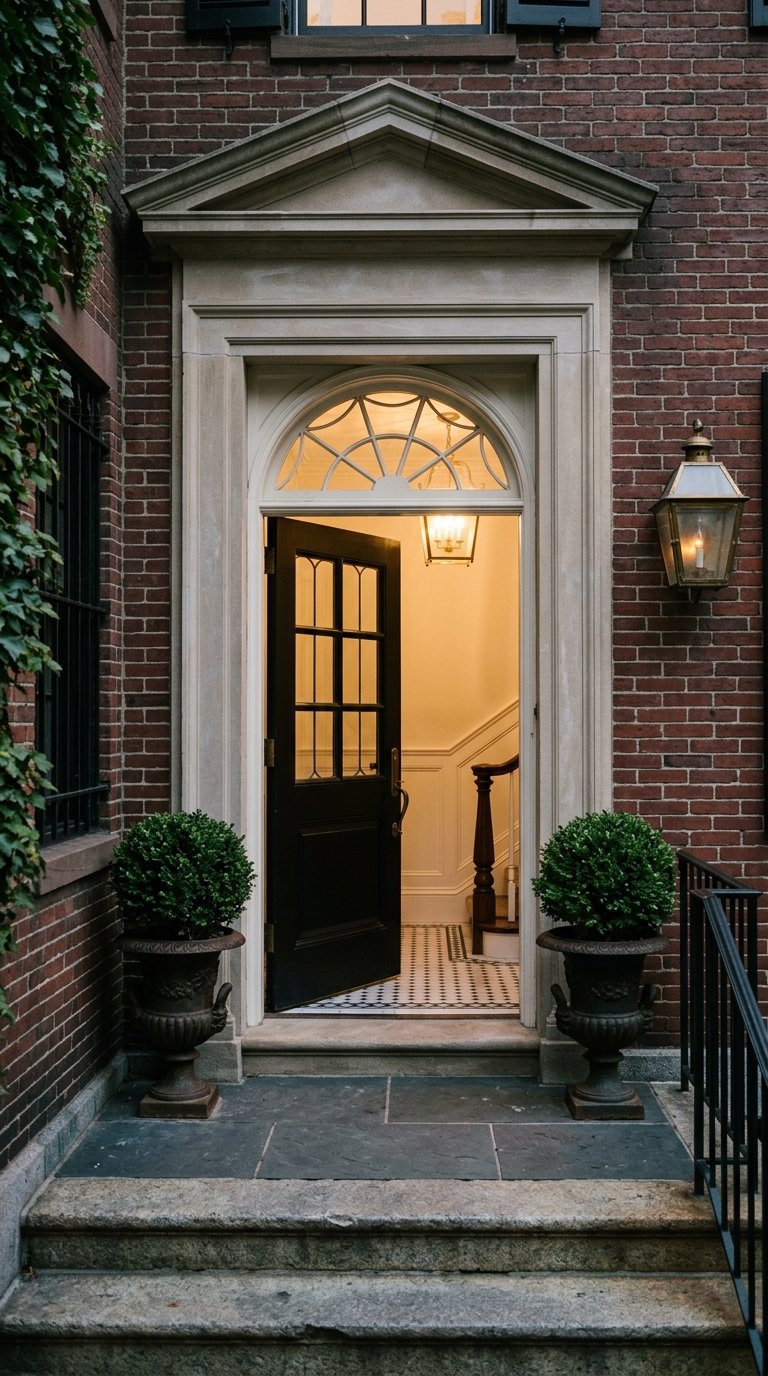
Back Bay was created on filled tidal marshes in the mid-1800s and added roughly 450 acres to Boston. The city describes it as a planned fashionable district shaped by Paris-inspired design ideas, and that planning still shows up in the neighborhood’s broad avenues, brick sidewalks, and elegant consistency.
Today, Back Bay sits beside Downtown and the Public Garden and is defined by major commercial corridors like Newbury Street, Boylston Street, St. James Street, and Huntington Avenue. If you want a brownstone setting that feels refined, central, and closely tied to shopping, cultural institutions, and riverfront access, Back Bay may feel like a natural fit.
What daily life feels like in Back Bay
Back Bay has a destination-oriented feel. Newbury Street brings a visible retail and dining presence, while Copley Square, the Boston Public Library, the Charles River Esplanade, and the Hatch Shell add a strong civic and cultural layer.
Its green spaces also have a larger-scale feel. The Commonwealth Avenue Mall creates a grand boulevard experience, while the Back Bay Fens and the Esplanade offer room for recreation, walking, and time outdoors.
Who Back Bay often suits best
Based on the neighborhood’s housing mix and commercial profile, Back Bay often appeals to professionals, couples, downsizers, and pied-à-terre buyers. It can be especially attractive if you want a central address, classic architecture, and easier access to downtown routines.
Back Bay’s 2025 housing profile also shows a heavier share of smaller homes. Of its 11,712 housing units, 56.3% are studios or 1-bedroom units, 29.5% are 2-bedroom units, and 14.1% are 3+ bedroom units.
South End: residential and arts-forward
The South End began development in 1850 and is described by the city as the largest Victorian residential district in the United States. Its long, uniform rowhouse blocks reflect historic building rules, and the neighborhood was designated a landmark district in 1983.
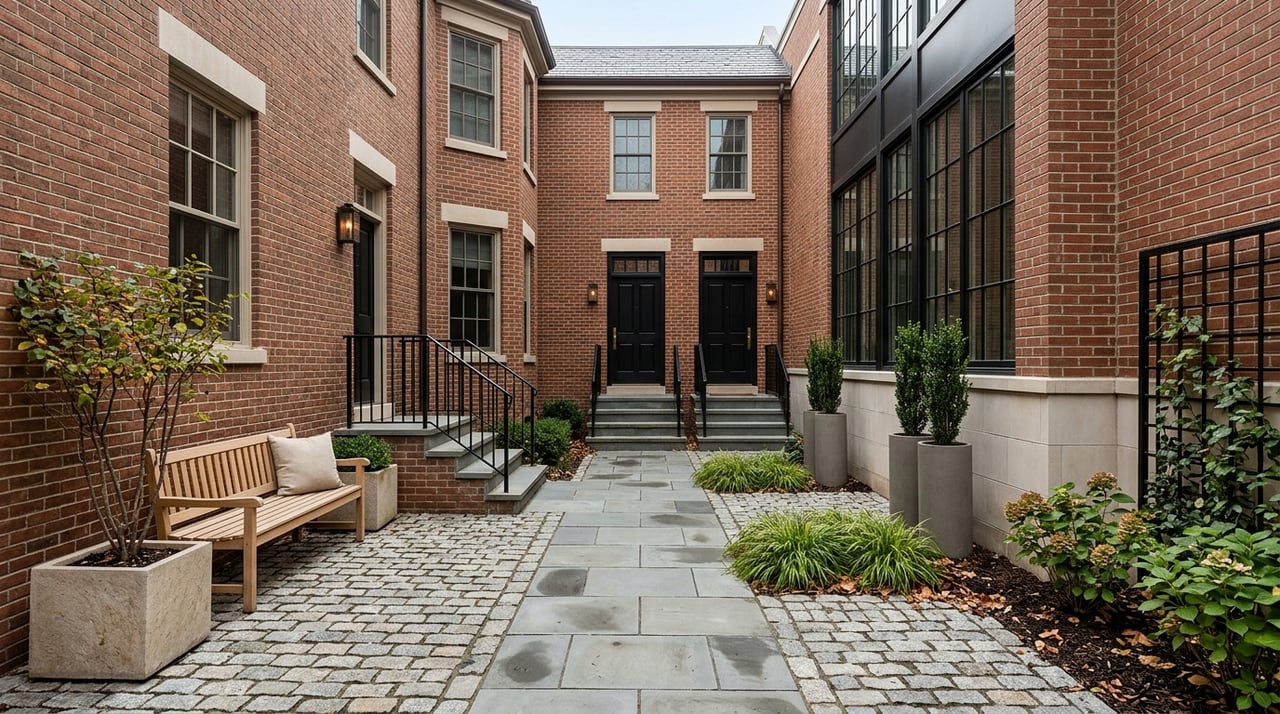
Compared with Back Bay, the South End tends to feel more residential and more locally textured. You still get beautiful brownstones and strong architecture, but the experience is often shaped by quieter blocks, frequent green spaces, and a lively dining and arts scene.
What daily life feels like in the South End
The South End has nearly 30 parks, according to Boston Planning, and that park-to-park layout gives the neighborhood a softer, more lived-in feel. Places like Blackstone Square, Franklin Square, Chester Square, Titus Sparrow Park, and Peters Park add regular pockets of open space throughout the neighborhood.
Its commercial life also feels more neighborhood-scaled. Tremont Street, Columbus Avenue, and Massachusetts Avenue are key corridors, and the neighborhood is known for restaurants, galleries, boutiques, the SoWa Open Market, and the Boston Center for the Arts.
Who the South End often suits best
The South End is often a strong match for buyers who want more of a residential feel without giving up city energy. Boston.gov notes that the neighborhood is home to young professionals and families, and the larger share of 2-bedroom and 3+ bedroom homes can matter if you need more flexibility.
The South End has 19,214 housing units, with 47.3% studios or 1-bedroom units, 36.8% 2-bedroom units, and 15.9% 3+ bedroom units. Compared with Back Bay, that gives you a somewhat broader bedroom mix.
Brownstone fit starts with space
If you are specifically shopping for a brownstone condo, floor-through, duplex, or townhouse-style residence, layout needs should be one of your first filters. Neighborhood personality matters, but your home still needs to function well for how you actually live.
Back Bay’s smaller-unit concentration may suit buyers who prioritize a polished location and are comfortable with a more compact footprint. The South End may offer a slight edge if your search depends on a 2-bedroom or 3+ bedroom layout, guest space, or a more flexible work-from-home setup.
A quick housing comparison
| Feature | Back Bay | South End |
|---|---|---|
| Total housing units | 11,712 | 19,214 |
| Studios or 1-bedrooms | 56.3% | 47.3% |
| 2-bedrooms | 29.5% | 36.8% |
| 3+ bedrooms | 14.1% | 15.9% |
| Owner-occupied | 35.3% | 38.8% |
| Renter-occupied | 56.1% | 56.7% |
This does not mean every Back Bay home is small or every South End home is spacious. It does mean the overall housing mix can help guide your search if size is a major factor.
Lifestyle differences that matter
In a city like Boston, two neighborhoods can look similar in photos and feel very different once you live there. That is especially true with Back Bay and the South End.
Back Bay leans toward a more polished urban experience. It has stronger ties to major retail streets, hotels, civic spaces, and a more car-light routine, with 49.4% of households reporting no vehicle.
The South End feels more local and residential in its pacing. It still offers excellent dining and culture, but the rhythm is more about neighborhood blocks, nearby parks, and a social scene that feels integrated into daily life rather than concentrated along a few major spines.
Historic district rules to keep in mind
Both neighborhoods reward buyers who appreciate architecture and are willing to respect preservation rules. If you are drawn to the beauty of a brownstone exterior, it is important to know that these homes are not handled like properties in a typical non-historic condo market.
In Back Bay, exterior changes are reviewed by the Back Bay Architectural Commission. In the South End, exterior work visible from public ways is reviewed by the South End Landmark District Commission.
Why this matters for buyers
If you are planning to update windows, doors, railings, roof elements, or other exterior-facing details, approvals may take more time than you expect. Historic review does not make renovation impossible, but it can shape timelines, design choices, and costs.
For many buyers, this is part of the appeal. You are buying into a neighborhood where architectural consistency and streetscape character are actively protected.
Which neighborhood is the better fit?
The right answer depends on what you value most in your daily routine. A beautiful brownstone can check every design box and still feel wrong if the neighborhood rhythm does not match your life.
Choose Back Bay if you want:
- A more polished, central brownstone setting
- Close access to Newbury Street, Boylston Street, and major civic anchors
- A neighborhood with a stronger retail and destination feel
- A housing search that may lean more toward smaller units and pied-à-terre-style living
- Easy access to the Esplanade, Commonwealth Avenue Mall, and downtown Boston
Choose the South End if you want:
- A more residential brownstone neighborhood
- Frequent parks and a softer block-by-block streetscape
- A stronger arts, gallery, and neighborhood dining identity
- Slightly better odds of finding a 2-bedroom or 3+ bedroom layout
- A city lifestyle that feels social, local, and design-rich
Final thoughts on Back Bay or South End
If you love the idea of classic Boston brownstones, you are already looking in the right two neighborhoods. Back Bay offers a more formal, retail-rich, centrally polished version of brownstone living, while the South End offers a more residential, park-heavy, arts-and-restaurant-driven experience.
Neither is better in a universal sense. The better choice is the one that matches your space needs, renovation comfort level, and the kind of city life you want to step into each day.
If you are comparing Back Bay and the South End and want calm, informed guidance on what will actually fit your lifestyle, Caroline Conlon would be glad to help.
FAQs
What is the main difference between Back Bay and South End brownstone living?
- Back Bay generally feels more polished, central, and retail-oriented, while the South End feels more residential, park-connected, and arts-forward.
Which Boston neighborhood has more larger brownstone-style homes, Back Bay or the South End?
- The South End has a somewhat larger share of 2-bedroom and 3+ bedroom housing units than Back Bay, which can help if you need more space.
Are Back Bay and South End both historic districts in Boston?
- Yes. Both neighborhoods are protected historic districts, and exterior changes are subject to local review.
Do brownstone buyers in Back Bay and the South End need to think about renovation approvals?
- Yes. In Back Bay, exterior changes are reviewed by the Back Bay Architectural Commission, and in the South End, visible exterior work is reviewed by the South End Landmark District Commission.
Which Boston neighborhood is better for parks, Back Bay or the South End?
- The South End has nearly 30 parks and a more park-to-park neighborhood texture, while Back Bay is known for larger signature green spaces like the Commonwealth Avenue Mall, the Back Bay Fens, and the Charles River Esplanade.
Is Back Bay or the South End better for dining and shopping in Boston?
- Back Bay has a stronger major retail presence, especially along Newbury and Boylston Streets, while the South End is more known for neighborhood dining, galleries, boutiques, and arts destinations like SoWa and the Boston Center for the Arts.